

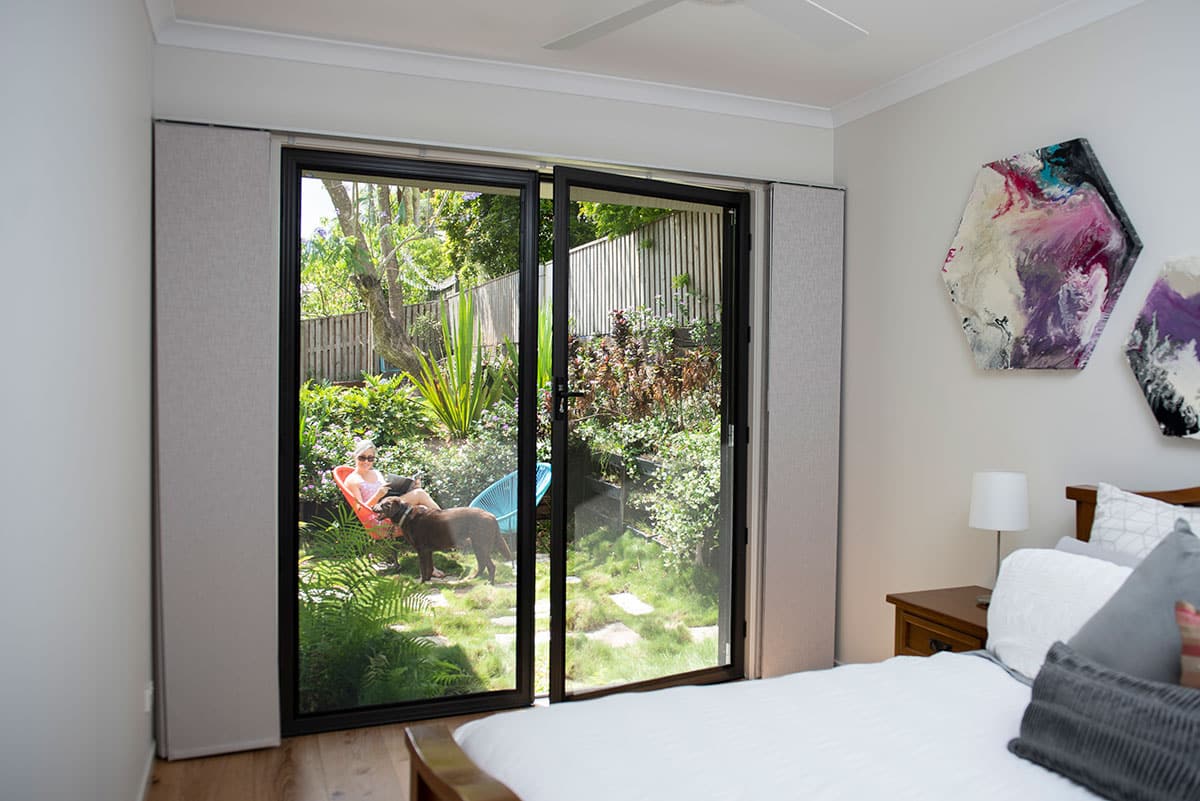
Crimsafe pricing factors mainly come down to product tier, opening type, and installation complexity. Windows…

Crimsafe Window Screen Options: Visibility, Security and Fit
A Crimsafe window screen is built to match how your window actually opens, whether that’s sliding, hinged, awning-style, louvre, or fixed. Getting the fit type right affects both everyday use and emergency egress.
A Crimsafe window screen isn’t a single, one-size product. It’s built around how your specific window opens and how your household actually uses it. Sliding windows, hinged casement and awning windows, louvres, and fixed panes each need a different screen configuration to work properly. Getting this fit type right affects daily convenience and cleaning access. In some cases, it affects how quickly someone can exit through that window in an emergency.
Why Fit Type Matters More Than People Expect
Most homeowners think about Crimsafe purely in terms of security. Fit type genuinely changes how the screen behaves day to day though. A screen matched correctly to your window operates smoothly and doesn’t interfere with normal use. A poorly matched fit can restrict how far a window opens. It can also make cleaning awkward, or block an intended emergency exit path entirely. A Crimsafe window screen is custom-built rather than off-the-shelf. This decision gets made once, at the point of measurement, and lives with the window for years afterward. Getting the fit type conversation right during your consultation matters more than most homeowners realise going in.
Sliding Windows: Single, Double, and Triple Configurations

Sliding windows are extremely common in Brisbane homes. Crimsafe offers single, double, or triple sliding screen configurations depending on the window. A single sliding screen suits tight window openings where a separate track can’t be fitted. It also suits servery-style windows where quick access to an outdoor entertaining area matters. Double and triple sliding screens use two or three panels moving within separate tracks. When closed, the overlapping panels interlock with each other, reinforcing the overall strength of the barrier. Sliding configurations can typically be fitted to the inside or outside of the window. This gives some flexibility depending on your frame depth and preferred appearance.
Hinged Windows: Casement, Awning, and Double-Hung
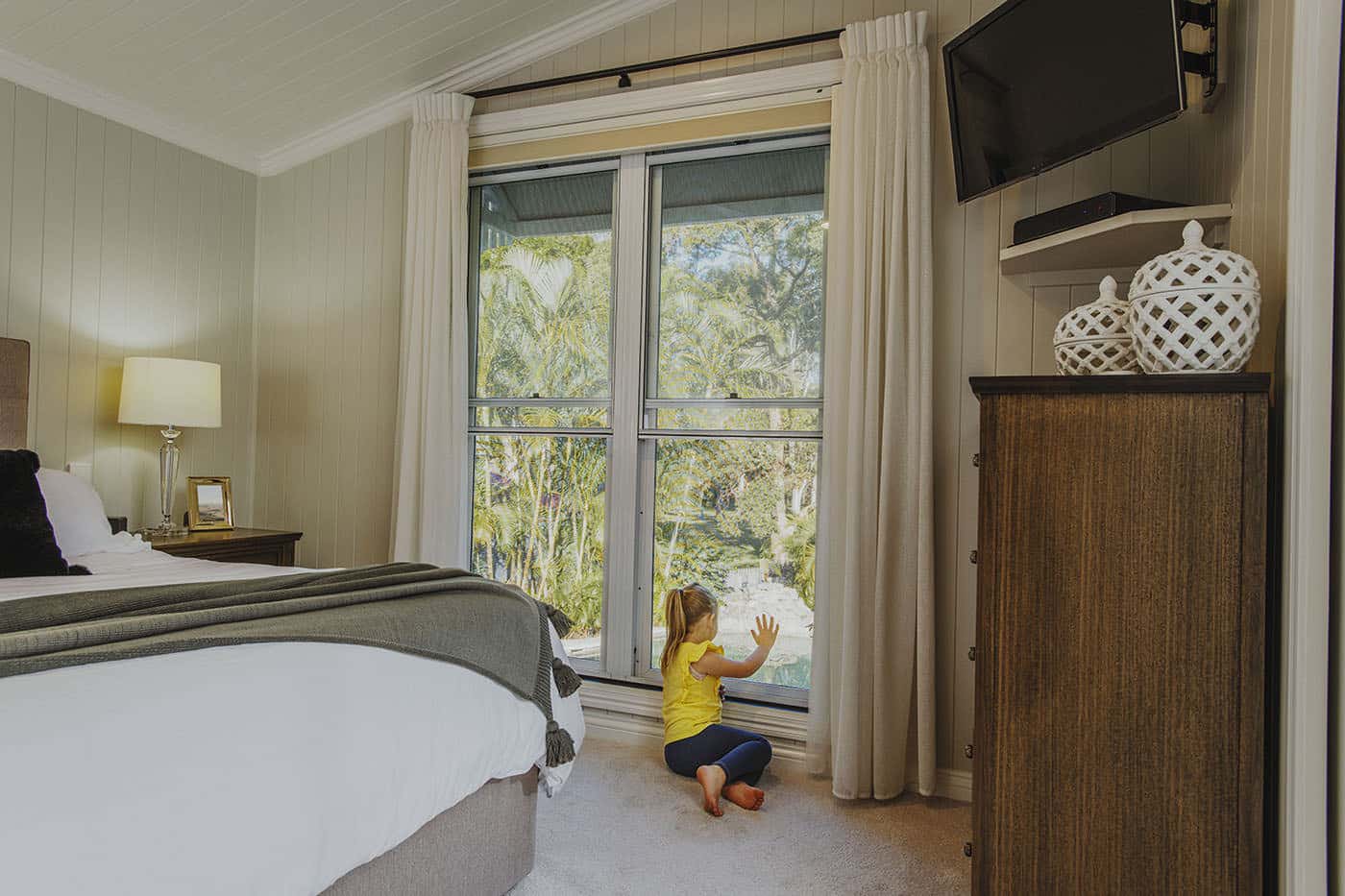
Hinged screen configurations suit casement windows, awning-style windows, and double-hung windows. The screen itself swings open on hinges here, rather than sliding along a track. This style gives full access to the window for cleaning or ventilation. The entire screen moves out of the way rather than just partially retracting. You can generally choose whether the screen swings to the side or opens at the top. This depends on which suits your window’s orientation and what sits nearby, such as a wall or fixed furniture. Hinged screens work well on windows used regularly for airflow, since the full swing lets a breeze move through unobstructed once open.
Fixed and Louvre Windows: When a Non-Moving Screen Makes Sense
Fixed window screens don’t open at all. This makes them a strong option for windows that don’t need regular operation, such as those in a hallway or stairwell. They’re also commonly used on louvre windows, since louvre blades are already delicate. A fixed Crimsafe screen protects them without adding extra moving parts to manage. A fixed screen has no hinge or track mechanism, so it’s typically the simplest configuration to fit and maintain over time. The trade-off is straightforward. A fixed screen cannot double as an emergency exit path. It should never be used on a window that forms part of your household’s fire escape plan.
Emergency Exit Considerations You Shouldn’t Overlook
Security and escape planning need to work together, not against each other, particularly on bedroom windows. A keyless emergency exit mechanism lets a hinged or sliding Crimsafe window screen release quickly from the inside without a key. Security doesn’t come at the cost of a safe, fast exit if needed this way. This is especially relevant for bedroom windows on upper floors. A window there may form part of the only secondary escape route in a fire. Fixed screens cannot support this kind of release mechanism, by their non-moving nature. This is exactly why discussing egress requirements room by room matters before finalising your Crimsafe window screen configuration.
Visibility and Airflow Across Different Fit Types
One reason Crimsafe remains popular is that it doesn’t force a trade-off between security and an open, unobstructed feel. The fine stainless steel mesh maintains clear sightlines through the screen in a way traditional security bars or grilles never could. This holds true across every fit type, whether the screen is sliding, hinged, or fixed in place. Airflow is affected slightly by fit type though. A fully swinging hinged screen allows the most unobstructed breeze when open. A sliding screen retains some frame coverage even when fully drawn back. For rooms where cross-ventilation genuinely matters, discuss this directly with your consultant. Don’t assume every configuration performs identically.
Matching Fit Type to Your Actual Window, Room by Room
The right fit type varies from room to room in most homes, not just window to window. A ground-floor bedroom window might call for a hinged screen with a keyless escape release. A louvre window in a stairwell might suit a simple fixed configuration instead. A servery window opening onto a patio might be better served by a single sliding screen for quick access during entertaining. Rather than applying one Crimsafe window screen type across the whole house by default, book a free in-home consultation instead. A consultant can assess each window individually.
Colour and Finish Considerations Across Fit Types
Fit type isn’t the only thing that changes between configurations. Colour and frame finish also play a role in how a Crimsafe window screen sits against your home’s existing joinery. A hinged screen’s frame is more visible day to day, since it sits proud of the window when closed, which makes matching the powder-coat finish to your window frames worth getting right. A sliding screen’s track hardware is generally less visually prominent once installed, since much of it sits within the window recess itself. Fixed screens tend to blend in most easily of all, given their simpler, static profile. None of this changes the security performance, but it’s worth raising during your consultation if the finished look matters as much as the function.
Comparing Your Options Before You Decide
It helps to run through your home window by window before the consultation, rather than deciding on the spot. Note which windows need daily operation for airflow. Note which are purely decorative or rarely opened, and which form part of your fire escape plan. This short exercise makes the consultation far more productive. Your consultant can move straight to recommending fit types, rather than starting from scratch. For a closer look at mesh grades, louvre sizing, and visibility performance across the range, our Crimsafe window screen sizing guide covers that detail separately. Our Crimsafe screen door range is worth reviewing too if you’re securing entry points at the same time.
FREQUENTLY ASKED QUESTIONS
What Crimsafe window screen options are available for sliding windows?
Single, double, or triple sliding configurations, depending on the window. A single screen suits tight openings or servery-style windows, while double and triple sliding screens use interlocking panels for wider openings.
Can a Crimsafe window screen be used as an emergency exit?
Hinged and sliding screens can include a keyless emergency exit mechanism that releases quickly from the inside. Fixed screens cannot, since they have no moving parts, so they shouldn’t be used on a fire escape window.
Which window types suit a fixed Crimsafe screen?
Windows that don’t need regular operation, such as those in a hallway or stairwell, and louvre windows, since a fixed screen protects delicate louvre blades without adding extra moving parts.
Does fit type affect airflow through a Crimsafe window screen?
Yes, slightly. A fully swinging hinged screen allows the most unobstructed breeze when open, while a sliding screen retains some frame coverage even when fully drawn back.
Should every window in my house use the same Crimsafe screen type?
No. The right fit type varies room by room, based on how each window opens, how often it’s used, and whether it forms part of your fire escape plan.

Related Posts

Comments (0)