
Curtain care depends on fabric type. Sheers and cottons handle a gentle machine wash. Linen,…
Bedroom Curtains Brisbane: Darkness, Noise, and Style
Bedroom curtains in Brisbane need to do three things well — block light from an early sunrise, reduce street and neighbour noise, and look the part in the room. Getting all three right comes down to fabric, lining, heading style, and how the curtain is hung. This guide covers everything you need to know.
Why Brisbane Curtains Need to Work Harder in the Bedroom
Brisbane’s subtropical climate creates challenges that most generic curtain guides do not address. Summer sunrise arrives before 5 AM. Afternoon heat pushes through west and north-facing windows well into the evening. Street traffic, nearby schools, and urban density mean external noise is a genuine daily issue for many homeowners.
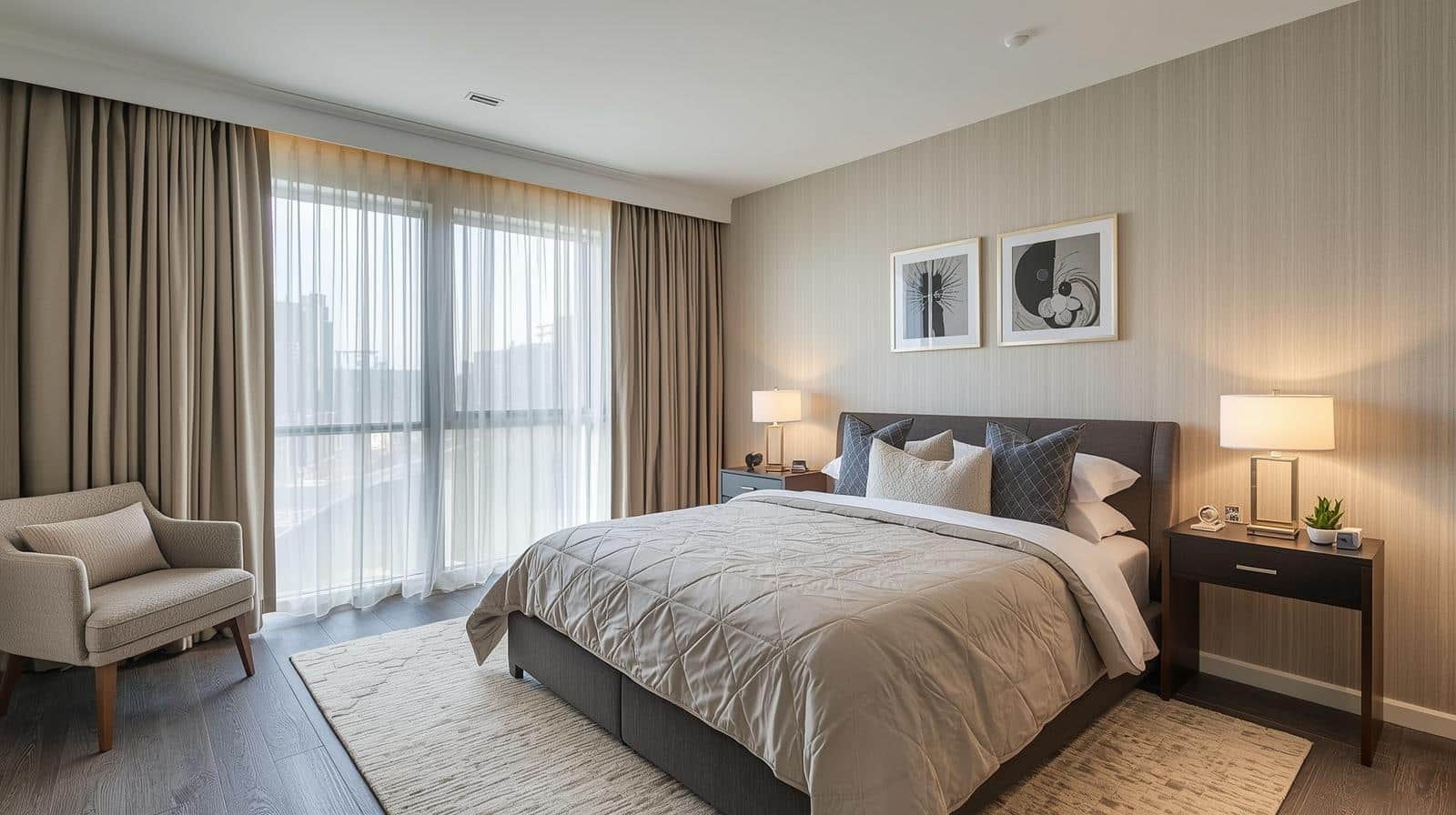
A curtain that works in a cooler, quieter city may not perform well here. Bedroom curtains in Brisbane need fabrics that block strong early morning light, manage heat gain through glass, and absorb enough sound to make the room genuinely restful. Getting all three right at once — without sacrificing style — is the real challenge.
Darkness: How Brisbane Blockout Curtains Work
Light blocking is the foundation of a well-performing bedroom curtain. Even partial light intrusion disrupts sleep quality. In Brisbane, where summer mornings are bright well before most people want to wake, this is not a minor consideration. Curtains in Brisbane bedrooms must address this from the outset — starting with the lining.
True blockout performance comes from the lining, not the decorative face fabric alone. A triple-weave or coated blockout lining bonds to the back of the curtain and prevents light from passing through the fabric. The face fabric can be almost anything you choose — linen, velvet, polyester, or cotton — as long as the lining underneath delivers the blockout performance.
There are two practical ways to achieve full darkness. The first is a blockout lining sewn directly to the back of the decorative fabric during making. The second is a separate blockout blind behind the curtain, giving maximum flexibility when the decorative curtain is open during the day. Both approaches work well. Your consultant will recommend the right option based on your window size, heading style, and how you use the room.
One detail many homeowners overlook is the light gap. A curtain that blocks 100% of light through the fabric still fails if the track does not extend past the window frame, if the curtain does not return to the wall at the sides, or if the hem sits too high above the floor. These installation details matter as much as the fabric itself.
Noise Reduction: How Curtains Help
Curtains do not eliminate external noise — walls and double glazing do the heavy lifting there. What curtains do is absorb sound within the room and reduce the reflective hardness of a glass surface. The effect is real, particularly for higher-frequency sounds like traffic and voices.
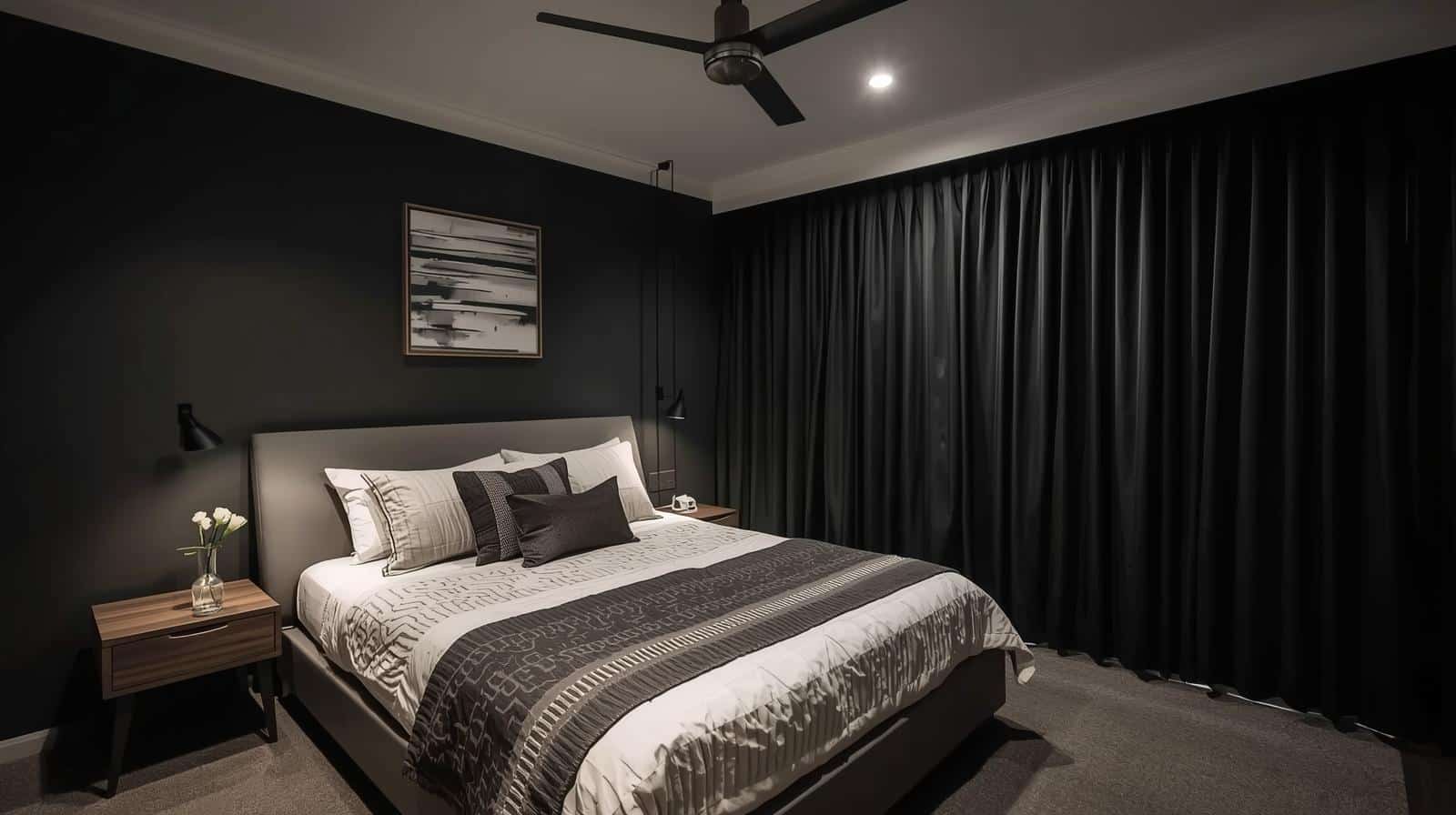
Heavy fabrics absorb more sound than light ones. Velvet, thick linen, and dense woven polyester all perform noticeably better than sheer or lightweight fabrics. Adding a lining doubles the mass of the curtain and improves both thermal and acoustic performance. A lined curtain made from a heavyweight fabric is the single most effective textile-based approach to reducing noise intrusion in a bedroom.
Full-length curtains that reach the floor also perform better acoustically than curtains that stop short. More fabric in the room means more surface area to absorb sound. Width matters too. A curtain with generous fullness — at least double the window width — creates deeper folds that trap and absorb sound more effectively than a flat, spare curtain.
For Brisbane homes near busy roads, train lines, or schools, pairing heavy blockout curtains with double-glazed windows represents the most significant combined noise reduction available without structural renovation.
Heading Styles: Choosing What Suits Your Bedroom
The heading style determines how your curtain hangs, how it stacks when open, and how much of the window it reveals. Each style has trade-offs worth understanding before you commit.
S-Fold and Wave Headings
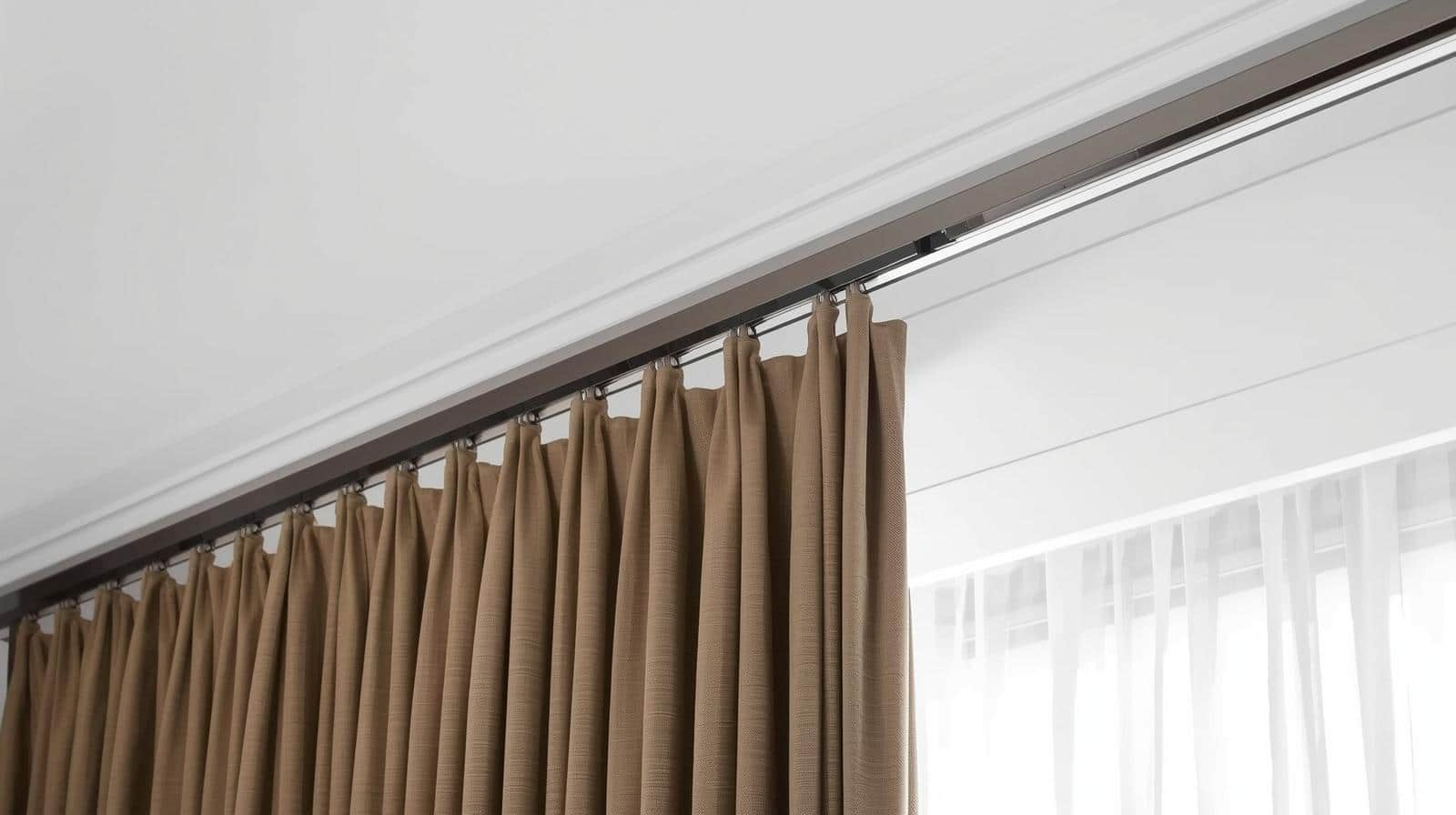
S-fold and wave curtains create a continuous, soft ripple across the full width of the fabric. They hang from a ceiling-mounted or recessed track and move smoothly without bunching. The result is a clean, contemporary look that suits modern Brisbane homes and works particularly well with floor-to-ceiling windows and sliding doors.
From a performance perspective, S-fold headings stack compactly when open, which maximises the glass area and allows good airflow. They also close with an even, consistent fold that reduces light gaps when shut. For bedrooms where both appearance and blockout performance matter equally, this is often the best all-round choice.
Pinch Pleat Headings
Pinch pleat curtains gather the fabric into structured pleats at regular intervals along the header. The result is a more formal, tailored appearance that suits traditional and classic bedroom interiors. Triple pinch pleats create deeper, richer folds and are often chosen for master bedrooms where a luxurious finish is desired.
Pinch pleat curtains work on both decorative rods and ceiling tracks. They tend to have more fullness than S-fold headings, which means more fabric in the room and marginally better acoustic and thermal performance. The trade-off is that they stack bulkier when open and are slightly more complex to make and install.
Eyelet Headings
Eyelet curtains thread through metal rings at the top of the fabric, creating bold, evenly spaced folds. They suit casual, relaxed bedroom aesthetics and pair well with natural fabrics like linen and cotton.
Eyelet headings are typically the most cost-effective option and work well for secondary bedrooms and guest rooms. For bedrooms where maximum blockout performance is the priority, eyelet headings can allow slightly more light through at the top of the fold. A close-fitting blockout blind behind the curtain resolves this for rooms where full darkness is essential.
Choosing Curtain Fabrics for Brisbane Bedrooms
Fabric choice directly affects how your curtains in Brisbane look, feel, and perform across the seasons.
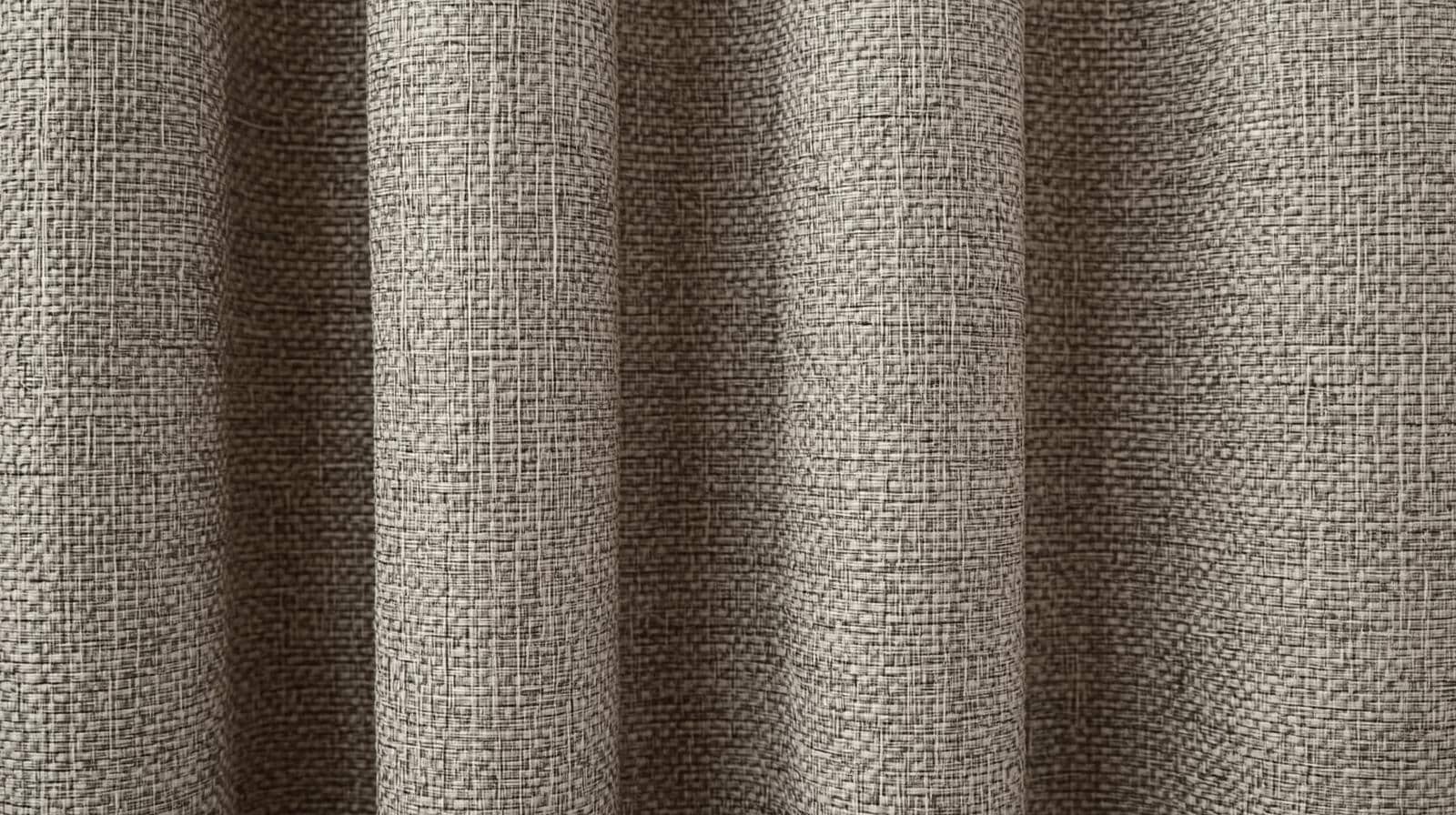
Natural linen and cotton blends breathe well and suit Brisbane’s humid climate. They create a relaxed, organic aesthetic and work across most bedroom styles. Be aware that natural fabrics move more with humidity and require more careful care than synthetics.
Heavyweight polyester and polyester-cotton blends resist fading, hold their shape well, and perform consistently across Brisbane’s UV-intense summers. They are a practical choice for east and west-facing bedrooms where strong morning or afternoon sun accelerates fabric degradation.
Velvet is the strongest performer for combined noise reduction and light blocking. It suits cooler, more formal bedrooms and pairs well with pinch pleat or S-fold headings. In Brisbane’s warmer months, velvet can feel heavy visually — pair it with lighter natural finishes elsewhere in the room for balance.
Layering Brisbane Curtains: Sheers and Blockouts
A double-track setup pairs a sheer curtain closest to the glass with a blockout curtain on the outer track. During the day, the sheer softens light and maintains privacy while the blockout remains stacked to one side. At night, the blockout closes for full darkness and noise absorption.
This is the most flexible approach available for a Brisbane bedroom. It handles every light condition the day presents — from early morning softness through to complete blackout — without requiring you to change anything about the room or the hardware. For large windows, wide sliders, or master bedrooms where both daytime liveability and night-time performance matter equally, a double track is worth the investment.
Our curtains range includes a wide selection of sheer and blockout fabrics, with options across all heading styles and track systems suited to Brisbane homes.
Length, Fullness, and Installation Details That Matter
Curtain length affects both appearance and performance. Floor-length curtains that just graze the floor or puddle slightly deliver the best combination of aesthetics and acoustic performance. Curtains that stop short look unfinished and allow sound and light to pass under the hem.

Hang the track or rod higher than the window frame — ideally at ceiling height. This creates the illusion of a taller room and reduces the light gap above the curtain. Extend the track at least 150–200mm past the window frame on each side. This allows the full curtain stack to sit off the glass when open and eliminates the side light gaps that compromise blockout performance.
Fullness matters too. A curtain at double the window width creates soft, elegant folds. Moving to two-and-a-half or three times the width creates deeper, richer folds with better acoustic and thermal performance. Your consultant recommends the right fullness based on your heading style and fabric weight.
Motorised Curtains for Bedrooms
Motorised curtain tracks make real differences in bedroom life. Set the curtains to open gradually at your preferred wake time. Close them automatically at sunset before the room heats up. Control them from bed without getting up.
Quiet motors are essential in bedroom applications — the systems we supply operate smoothly without disturbing a sleeping partner. They integrate with remote controls, phone apps, and smart home platforms. For larger bedrooms, high windows, or rooms where the track runs a long span, motorisation also protects the fabric by eliminating the repeated manual handling that causes heading wear over time.
For local installation examples and product details, visit our Brisbane curtain installation page.
Caring for Brisbane Curtains in the Bedroom
Well-made curtains Brisbane homeowners invest in last many years with straightforward maintenance. Vacuum the fabric regularly with a soft brush attachment to remove dust. This is particularly important near the floor hem and in rooms with pets or high traffic.
Spot clean promptly when marks appear, following the fabric-specific care guide provided with your curtains. For fully lined or delicate curtains, arrange professional cleaning rather than machine washing. Brisbane’s humidity means moisture trapped in a thick curtain takes longer to dry — ensure curtains fully air before rehanging.
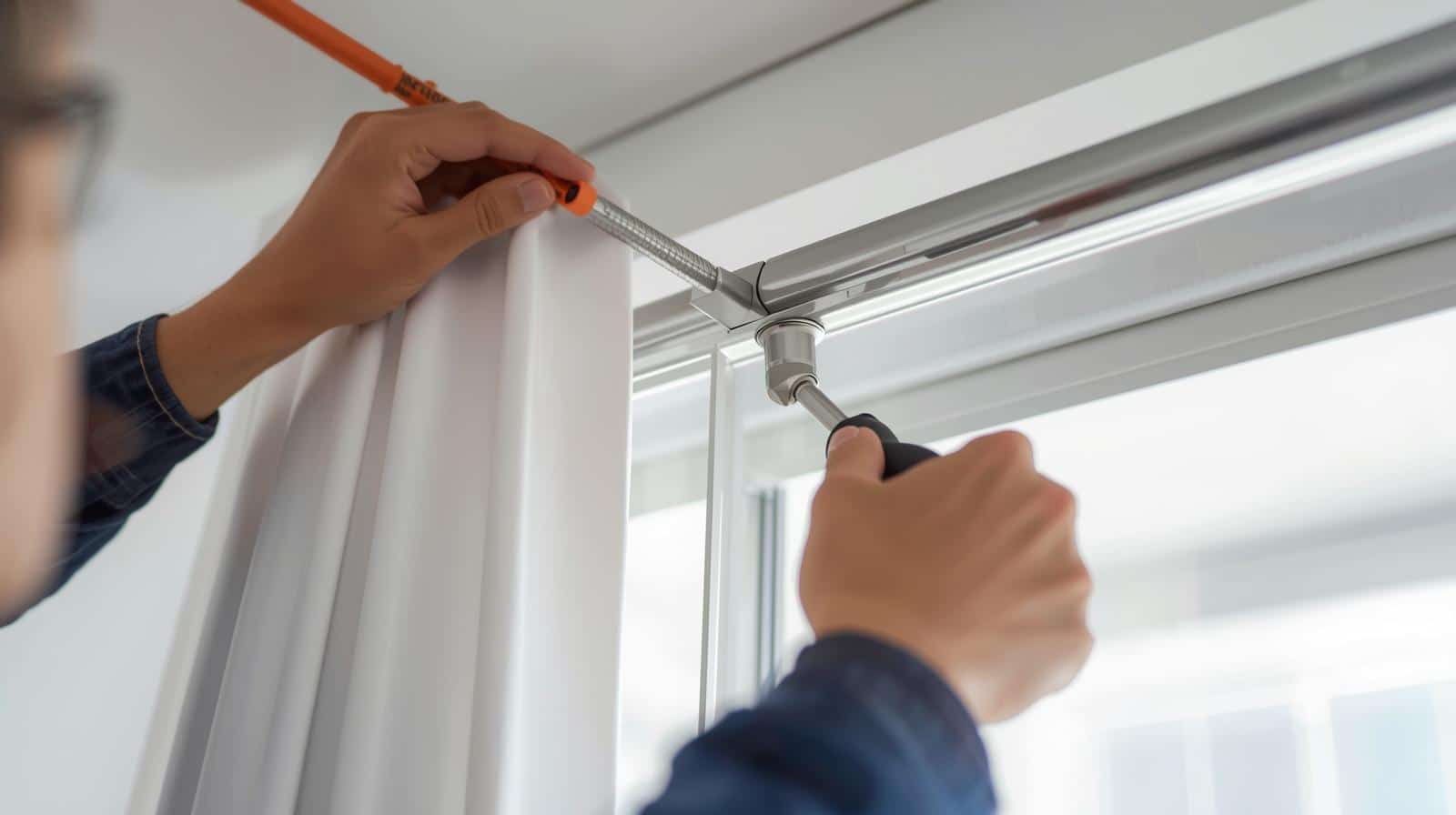
Check the track glides periodically. Smooth operation puts less strain on the heading tape and prolongs the life of the fabric. If glides become stiff or noisy, a light application of track lubricant resolves most issues without a service call.
Frequently Asked Questions
Do blockout curtains fully block light in a Brisbane bedroom?
A quality blockout lining prevents light from passing through the fabric. Full darkness also depends on how the curtain is hung — the track must extend past the window frame, the curtain must return to the wall at the sides, and the hem must reach the floor. Installation details matter as much as the fabric itself.
Can curtains reduce noise in a Brisbane bedroom?
Yes. Heavy, lined curtains absorb sound within the room and reduce the reflective hardness of glass, softening traffic noise and external sounds. The heavier the fabric and the more generous the fullness, the better the acoustic performance. Combining thick lined curtains with double-glazed windows delivers the strongest result.
What is the best heading style for a Brisbane bedroom?
S-fold and wave headings are the most popular choice for contemporary Brisbane bedrooms. They stack compactly, close evenly for blockout performance, and suit ceiling-mounted tracks. Pinch pleat works well for traditional or formal bedrooms. Eyelet headings suit relaxed, casual spaces and secondary bedrooms.
What fabric is best for bedroom curtains in Brisbane’s climate?
Heavyweight polyester and polyester-cotton blends resist UV fading and hold their shape across Brisbane’s hot, humid summers. Natural linen and cotton breathe well and suit a relaxed aesthetic. Velvet performs best for combined noise and light blocking, and works best in rooms with good climate control.
Should I use a double track for my bedroom curtains?
A double track pairing a sheer and a blockout is the most flexible solution for a Brisbane bedroom. It gives you soft filtered light during the day and complete darkness at night — all on one hardware system. It suits any bedroom with large windows or sliding doors.

Related Posts


Comments (0)