

Curtain lead times Brisbane wide typically run two to four weeks from measure to installation…

Eyelet vs S-Fold Curtains: Pros, Cons, and Where to Use
The right curtain style depends on your window. Eyelet suits small to medium windows and casual rooms, since it hangs from a rod and can’t pass a bracket. S-fold suits large windows, sliding doors, and formal living areas, since it runs on a track instead.
The right curtain heading style depends less on personal taste than on the window it’s covering. Eyelet curtains hang from metal rings threaded onto a rod. This gives them a relaxed, evenly spaced fold that works well on narrower openings. S-fold curtains attach to a track using discreet fasteners instead. This lets the fabric glide past brackets and cover far wider spans. Matching the style to the room, rather than choosing on looks alone, avoids a common and costly mistake.
Why the Window Matters More Than the Style
Every curtain heading style has a mechanical limitation that decides where it can go. Eyelet curtains thread directly onto a rod. The fabric can’t pass through a support bracket without bunching or catching. This makes eyelet genuinely unsuitable for wide sliding doors or windows that need a centre bracket. S-fold solves this problem entirely. The fabric hangs from carriers that glide smoothly past any bracket point on the track. So the first question isn’t which style looks better. It’s which window you’re actually dressing. A narrow bedroom window and a wide living room slider have completely different requirements.
Where Eyelet Curtains Genuinely Work Best
Eyelet curtains suit small to medium windows in casual, everyday spaces. Bedrooms, home offices, and kids’ rooms are a natural fit. The deep, even folds create a relaxed look without needing a track system. Eyelet curtains also hang directly from a rod. That makes them simple enough for many homeowners to hang themselves, which suits budget-conscious rooms where professional installation isn’t essential. The metal rings do have a practical downside on heavier fabrics though. Thick blockout curtains can strain the eyelets over time, particularly on windows opened and closed daily. For a lighter linen or cotton-blend fabric in a low-traffic room, eyelet remains one of the most cost-effective heading styles available.
Where S-Fold Curtains Genuinely Work Best
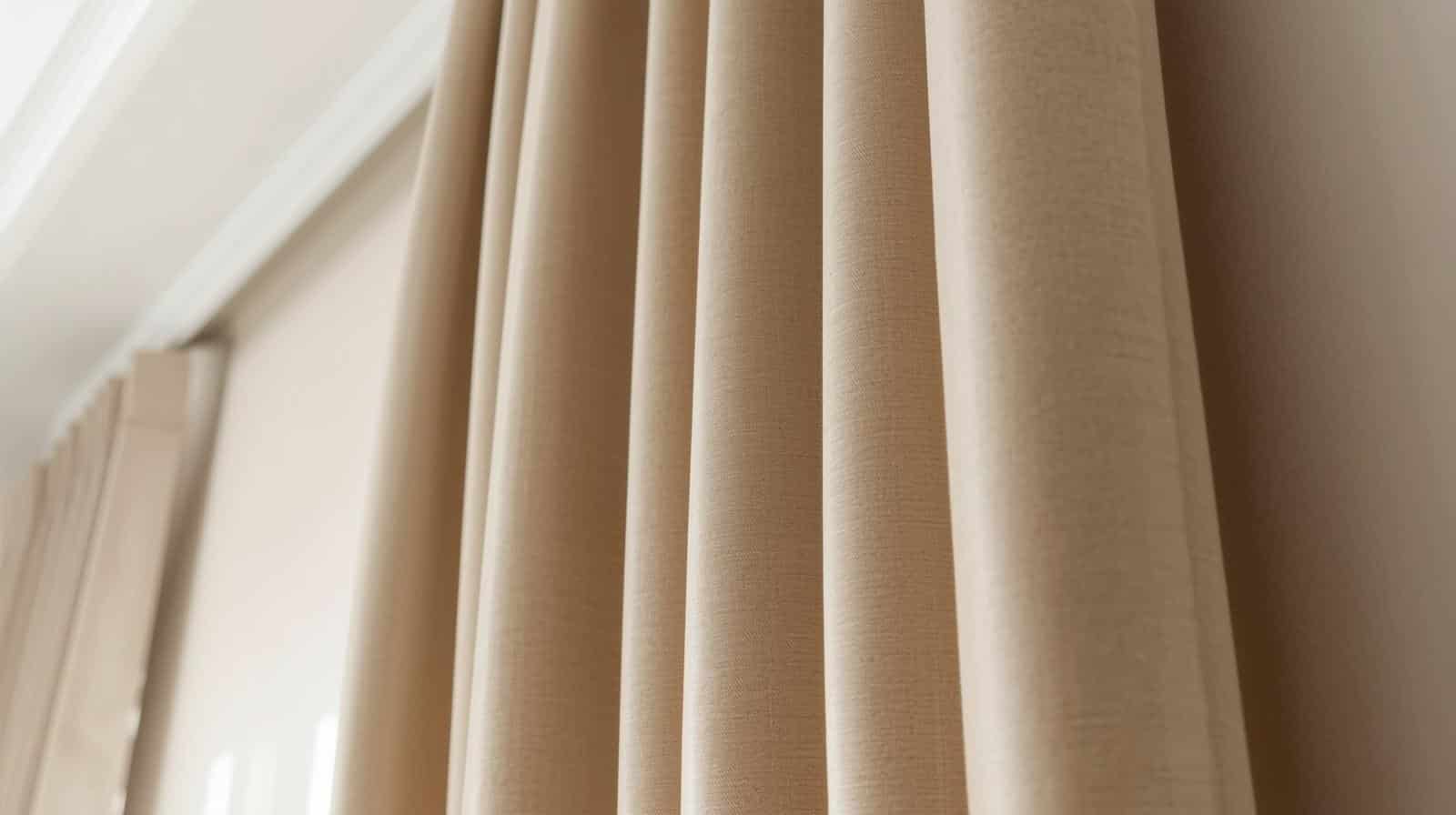
S-fold curtains suit large windows, sliding doors, and open-plan living areas. A clean, continuous wave matters more than budget in these spaces. Because the fabric runs on a track rather than a rod, S-fold handles wide spans, bay windows, and multiple panels without bunching at a support bracket. This makes it the clear choice for a living room slider or a floor-to-ceiling window. Any opening wider than a single standard rod length comfortably allows suits S-fold too. It also suits rooms where you operate the curtains daily, since the track-and-carrier system glides more smoothly than rings on a rod. For motorised curtain setups, S-fold is almost always the preferred heading style. Track systems integrate with motors far more reliably than rod-hung options.
Matching Heading Style to Room Function
Living areas and main bedrooms tend to suit S-fold. These are the rooms where a polished, tailored finish matters most, and where windows are often larger. Guest bedrooms, studies, and secondary rooms often suit eyelet just as well. The room sees less daily use, so the budget can go elsewhere. Media rooms are a specific case worth considering separately. A heavier blockout fabric is usually needed for effective light control. S-fold handles that extra weight more evenly than eyelet, since the track distributes load along multiple carriers rather than concentrating it at individual rings. Bathrooms and kitchens generally suit lighter fabrics regardless of heading style, given the humidity. Eyelet’s simpler hardware is easier to wipe down and maintain in these rooms.
What Queenslander and Character Homes Need to Consider

Older Queenslander and character homes often complicate this curtain decision. Window proportions were rarely built to modern standard sizes. Tall, narrow sash windows common in these homes actually suit eyelet curtains well, since the narrow width avoids the bracket-clearance problem entirely. Wider openings created during renovations usually call for S-fold instead. Think of a converted set of French doors or a new bank of windows. A free in-home consultation is the most reliable way to settle this. A consultant can assess your specific window proportions and ceiling height before recommending a heading style. Guessing from a photo of someone else’s home rarely accounts for how different these older window openings can be from house to house.
The Cost Difference, Explained Honestly
Eyelet curtains are often assumed to be the cheaper option outright, but this isn’t always accurate. The rod hardware itself is inexpensive. However, custom eyelet grommets need hand-punching into the fabric, which adds labour cost that can offset the simpler hardware. S-fold curtains use more fabric per panel to achieve the continuous wave effect. This increases material cost. That said, the track system is often more cost-effective to operate over time, particularly for wide or frequently used windows. Rather than assuming one style is always cheaper, it helps to see each style as carrying cost in a different place. Eyelet carries cost in the finishing detail. S-fold carries it in the fabric quantity. A free measure and quote is the only way to compare the real difference for your specific windows, and you can browse the full curtain range before booking one.
Combining Both Styles in the Same Home
There’s no rule that says every room needs the same curtain heading style. Many Brisbane homes mix eyelet in the bedrooms with S-fold in the main living areas, since each room’s windows and daily use genuinely differ. This is worth discussing openly with your consultant rather than defaulting to one style for consistency’s sake, since a mismatched heading style on a wide window can look and function worse than simply choosing the right style per room. Fabric can still be coordinated across the home even when the heading style changes from room to room, which keeps the overall look cohesive without forcing every window into the same mechanical constraints.
A Quick Way to Decide Between the Two
If you’re still unsure, start with the window itself rather than the fabric or colour scheme. Measure the width first. Anything wider than a standard single-bracket span points toward S-fold by default. Next, consider how often the curtain gets opened and closed. Daily-use windows in living areas favour S-fold’s smoother glide, while occasional-use windows in guest rooms or studies suit eyelet just fine. Finally, factor in the room’s formality. A polished, hotel-style finish in a main living space tends to call for S-fold, while a relaxed, everyday bedroom or office rarely needs it. Running through these three questions before choosing a fabric avoids the common mistake of picking a heading style purely on appearance, only to find it doesn’t suit the window it’s meant to cover. Our curtain heading styles guide covers pinch pleat as a third option too, if neither eyelet nor S-fold feels like the right fit.
FREQUENTLY ASKED QUESTIONS
What are the main Crimsafe pricing factors?
Product tier, opening type, and installation complexity matter most. Windows are generally the most affordable, doors cost more due to hardware, and patio enclosures represent the largest investment due to scale.
Why does Crimsafe cost more than a standard security screen?
Crimsafe is tested against the Australian Standard AS5039 and installation standard AS5041 for forced-entry resistance, which generic fly screens and decorative security doors aren’t. That compliance is a genuine factor in the price, not just branding.
Does installation complexity really affect the price?
Yes. Hard-to-access openings like upper-storey windows, non-standard shapes, and frames needing remediation before fitting all add to the scope of work beyond the product cost itself.
Is it cheaper to secure my whole home at once?
Bundling multiple windows and doors into a single project is generally more cost-effective than arranging separate consultations and installations over time, since measuring, quoting, and manufacturing can be more efficient together.
How do I compare two Crimsafe quotes fairly?
Check that both quotes specify the same product tier, confirm what’s included (installation, disposal, remediation), and compare warranty length on both mesh and frame, since a shorter warranty can make a lower price misleading.

Related Posts


Comments (0)