
Window roller blinds handle heat and UV differently depending on openness factor, backing, and colour…

Blinds for Windows: Matching Styles to Window Types and Rooms
The right blinds for windows depend on how the window itself opens and its shape, not just the room it’s in. Sliding doors, casement windows, bay windows, and fixed picture windows each need a different blind mechanism to work properly.
Choosing blinds for windows means matching the blind to how the window physically operates, not just the decor around it. A sliding door needs a blind that won’t get in the way of the track. A casement window that cranks outward needs clearance for the handle. A bay window needs several panels working together at an angle. Getting your blinds and windows matched by type first, then refining for the room, avoids the most common fitting mistakes homeowners run into.
Why Window Type Should Come Before Room Style
Most advice on blinds for windows starts with the room. Bedroom, living area, kitchen. That’s useful for choosing fabric and light control. It skips a more basic question though. Does the blind actually work with how the window opens? A blind that looks perfect on paper can end up blocking a handle. It might catch on a track, or leave a gap that undermines the whole point of installing it. Window type determines mounting position, clearance, and mechanism before fabric or colour ever come into it. Getting this sequence right the first time saves a remeasure and refit later.
Sliding Windows and Sliding Doors

Sliding windows and doors have a thicker frame than most other window types. The header needs to house the track, which can leave little room for a standard blind bracket. Roller blinds mounted outside the frame generally work best here. They clear the track without interfering with the sliding motion. Panel glide blinds are another strong option for wide sliding doors. They glide horizontally on their own track, rather than raising and lowering vertically. Vertical blinds work on the same principle. They remain a practical, cost-effective choice for large sliding openings. Whatever style you choose, make sure the blind’s own mechanism doesn’t overlap with the window’s sliding path. That’s the most common fitting error on this window type.
Casement and Awning Windows
Casement and awning windows crank open on a hinge. The handle or crank needs clear space to operate. A blind mounted too close to the window can block that movement entirely once installed. Roller blinds set on a reverse-roll bracket hang the fabric slightly away from the glass. These generally clear the crank without issue. Roman blinds work well here too, provided the bracket sits far enough forward. Venetian and timber blinds can work on casement windows, but they typically need spacer blocks to create clearance. This adds a small amount of extra planning during measurement. Confirming the crank direction and handle position before ordering avoids a blind that looks right but can’t actually be operated once fitted.
Bay and Bow Windows
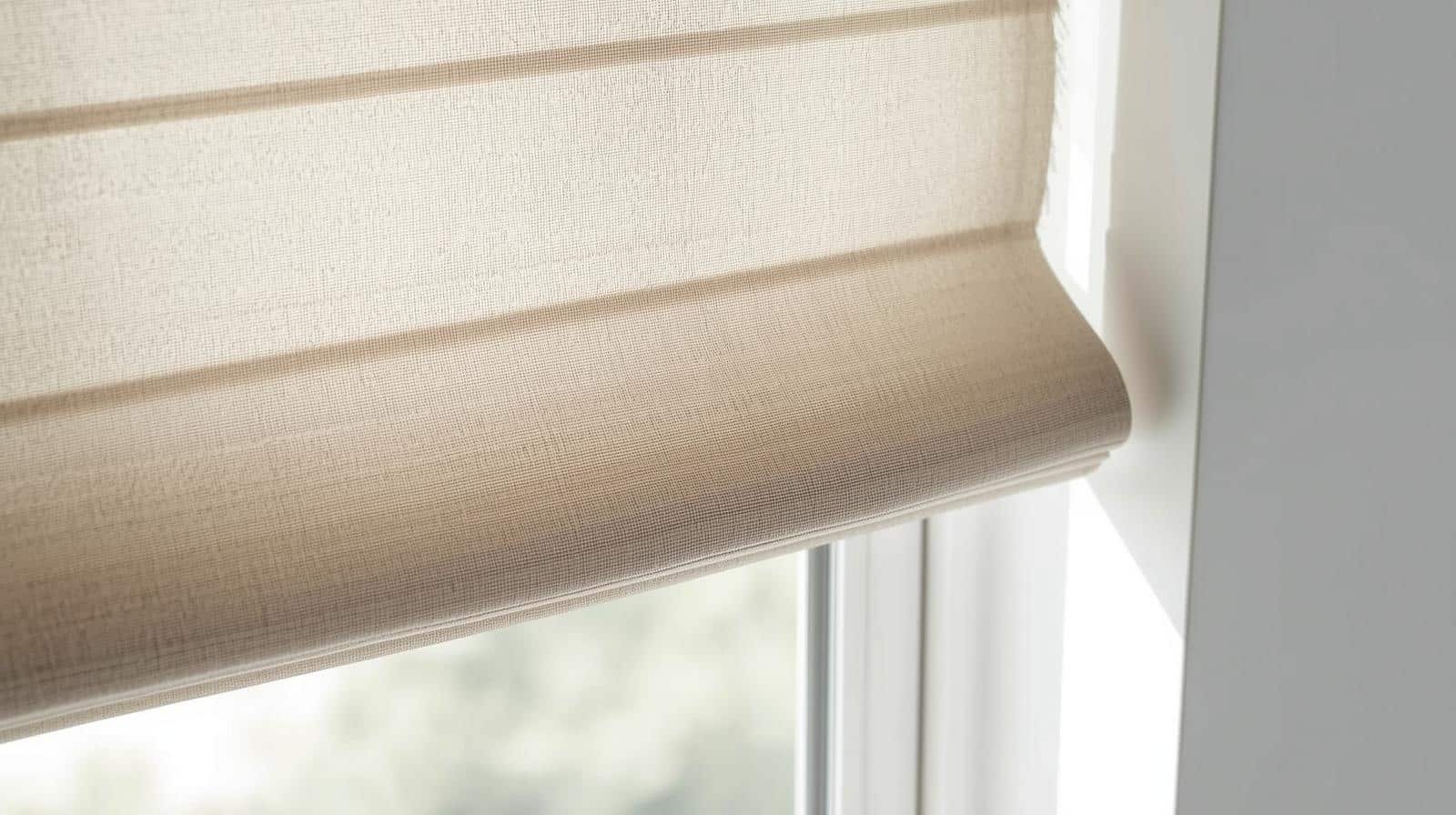
Bay and bow windows are really several windows joined at an angle. A single wide blind rarely works well across the whole opening. Fitting a separate blind to each section instead lets each panel operate independently. This avoids gaps or overlaps where the angled sections meet. Roman blinds suit bay windows particularly well. Their soft, structured fold complements the architectural feature rather than competing with it. For a bay with a mix of fixed and opening sections, such as a fixed centre pane flanked by casement windows, each section may need a slightly different blind mechanism. This is exactly why professional measurement matters more on this window type than almost any other.
Fixed and Picture Windows
Fixed and picture windows don’t open at all. This actually gives the most flexibility when choosing blinds for windows, since there’s no mechanism to work around. Large picture windows can be covered with a single wide blind. Very large spans sometimes benefit from multiple blinds sharing one headrail instead, rather than one oversized panel that’s heavy to operate. Panel glide blinds suit expansive fixed windows particularly well, since flat fabric panels stay lightweight even across a wide opening. There’s no crank or track to clear on a fixed window. This makes it the easiest window type to fit with heavier fabrics, like a full blockout, without worrying about added bulk interfering with operation.
Small and Awkward Windows

Small windows, such as those in bathrooms, laundries, or narrow hallway openings, come with their own fitting challenges. Standard brackets can look oversized relative to the window itself. This throws off the proportions of the room. A compact roller blind with a slimline headrail generally suits these spaces better than a bulkier style like a Roman or timber Venetian. Moisture-prone rooms add another consideration, since timber blinds can warp in a humid bathroom. A moisture-resistant fabric or PVC-style product is the more practical choice regardless of window size in these rooms. Getting an accurate measurement matters just as much on a small window as a large one. Even a few millimetres out is far more visible on a compact frame.
Matching Mechanism to Window, Then Style to Room
Once the window type has ruled out or confirmed which mechanisms will actually work, choosing fabric, colour, and light control for the room becomes a much simpler decision. Our Window Blinds 101 guide covers that second step in depth. It walks through which fabrics suit bedrooms, living areas, and wet rooms once the mechanical fit is sorted. Thinking about blinds for windows in this order, mechanism first and room style second, is the difference between a blind that looks good in a brochure and one that actually works on your specific window every day.
What to Check Before You Order
A short mental checklist helps avoid the most common blinds windows fitting mistakes. Confirm which way any handle, crank, or sliding track moves before choosing a bracket position. Measure the depth available for mounting, particularly on casement and awning windows where clearance is tight. Note whether the window is part of a bay, bow, or angled configuration that needs separate panels rather than one wide blind. Check the room’s humidity level, since bathrooms and laundries call for moisture-resistant materials regardless of window shape. Running through these points before ordering, rather than after installation day, is what separates a blind that fits from one that technically arrives but never quite works properly. For fabric-specific guidance once the mechanism is sorted, our roller blinds range covers blockout, sunscreen, and light-filtering options suited to different rooms.
Combining Window Types in an Open-Plan Home
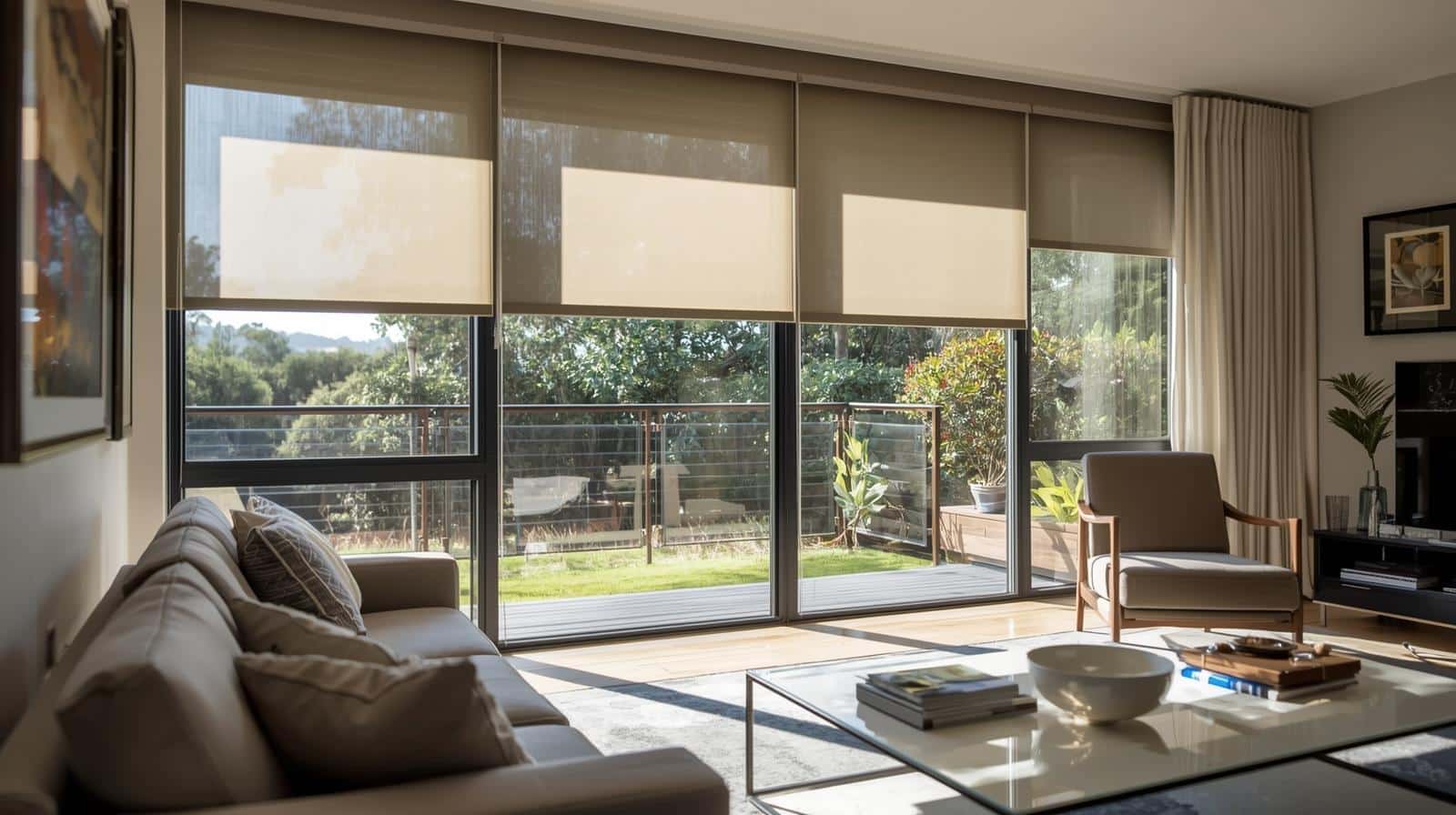
Many Brisbane homes mix several window types in a single open-plan living space. A sliding door to the patio might sit alongside a fixed picture window and a smaller awning window for ventilation. Treating each opening according to its own type, rather than forcing one blind style across the whole wall, tends to give a more functional result even when the goal is visual consistency. Colour and fabric can still be matched across every blind in the room, so the space still reads as one cohesive design. Only the mechanism changes from window to window, based on how each one actually operates.
FREQUENTLY ASKED QUESTIONS
What’s the most important factor when choosing blinds for windows?
How the window physically opens matters most — sliding, casement, fixed, or angled. Getting the mechanism right comes before choosing fabric or colour, since a mismatched mechanism can block handles or interfere with tracks.
What blinds work best for sliding doors?
Roller blinds mounted outside the frame, panel glide blinds, or vertical blinds all work well, since each avoids interfering with the sliding track. The blind’s mechanism just needs to stay clear of the door’s own sliding path.
Can I use a single blind across a bay window?
Generally no. Bay windows are several windows joined at an angle, so fitting a separate blind to each section avoids gaps or overlaps where the angled sections meet.
What blinds suit casement or awning windows?
Roller blinds on a reverse-roll bracket, or Roman blinds with the bracket set forward, generally clear the crank without issue. Venetian and timber blinds can work too, but usually need spacer blocks for clearance.
Do small windows need a different type of blind?
Often, yes. A compact roller blind with a slimline headrail suits small windows better than a bulkier style, and moisture-resistant fabric matters more than usual in bathrooms and laundries regardless of window size.

Related Posts

Comments (0)