
The right blinds for windows depend on how the window itself opens and its shape,…
Window Roller Blinds: Fabric Options for Heat and UV in Brisbane
Window roller blinds handle heat and UV differently depending on openness factor, backing, and colour. It’s not just whether the fabric is called “blockout” or “sunscreen.” Understanding these specifics helps you choose fabric that actually performs.
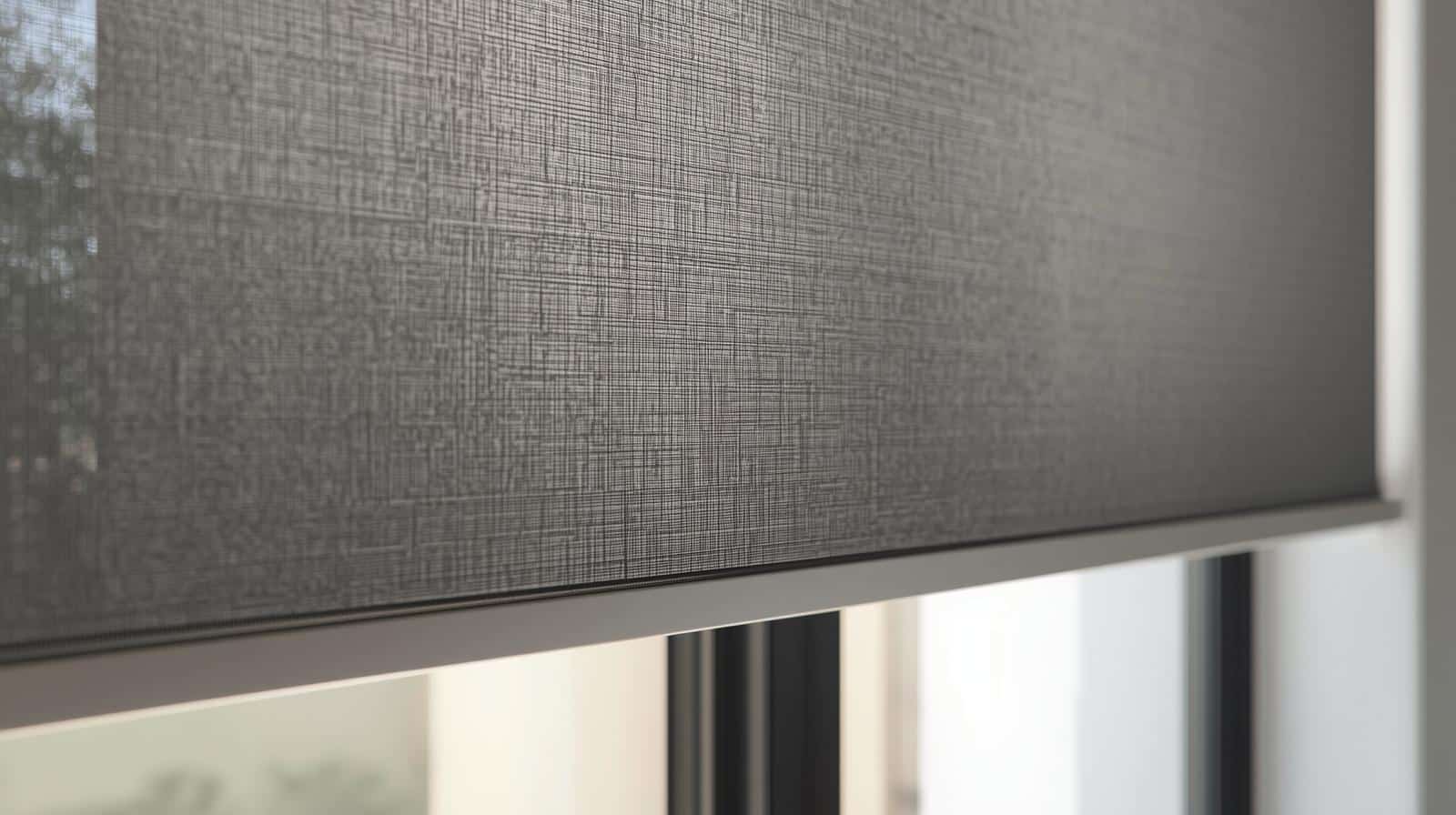
Window roller blinds are often chosen on fabric name alone. Blockout or sunscreen, without looking at what actually drives heat and UV performance underneath that label. Openness factor, backing type, and colour all affect how much heat and UV a fabric blocks. Sometimes more than the broad category does. Two sunscreen fabrics can perform very differently depending on these details, even when marketed the same way. Understanding what’s happening in the weave helps you choose window roller blinds that perform as expected. It beats fabric that just sounds right on a swatch card.
What Openness Factor Actually Means
Openness factor describes how much of a sunscreen fabric’s surface is genuinely open weave versus solid material. A 5% openness factor means roughly 5% of the fabric is open space, with the rest woven tight. Lower openness factors, such as 1% or 3%, block more UV and glare. They reduce your outward view more too. Higher openness factors, such as 10% or 14%, keep more visibility to the outside. They let more heat and light through as a trade-off. Neither figure is universally better. The right openness factor for window roller blinds depends on your priority. Outward visibility matters more on some windows, while maximum heat control matters more on others.
Why Colour Changes Performance, Not Just Look
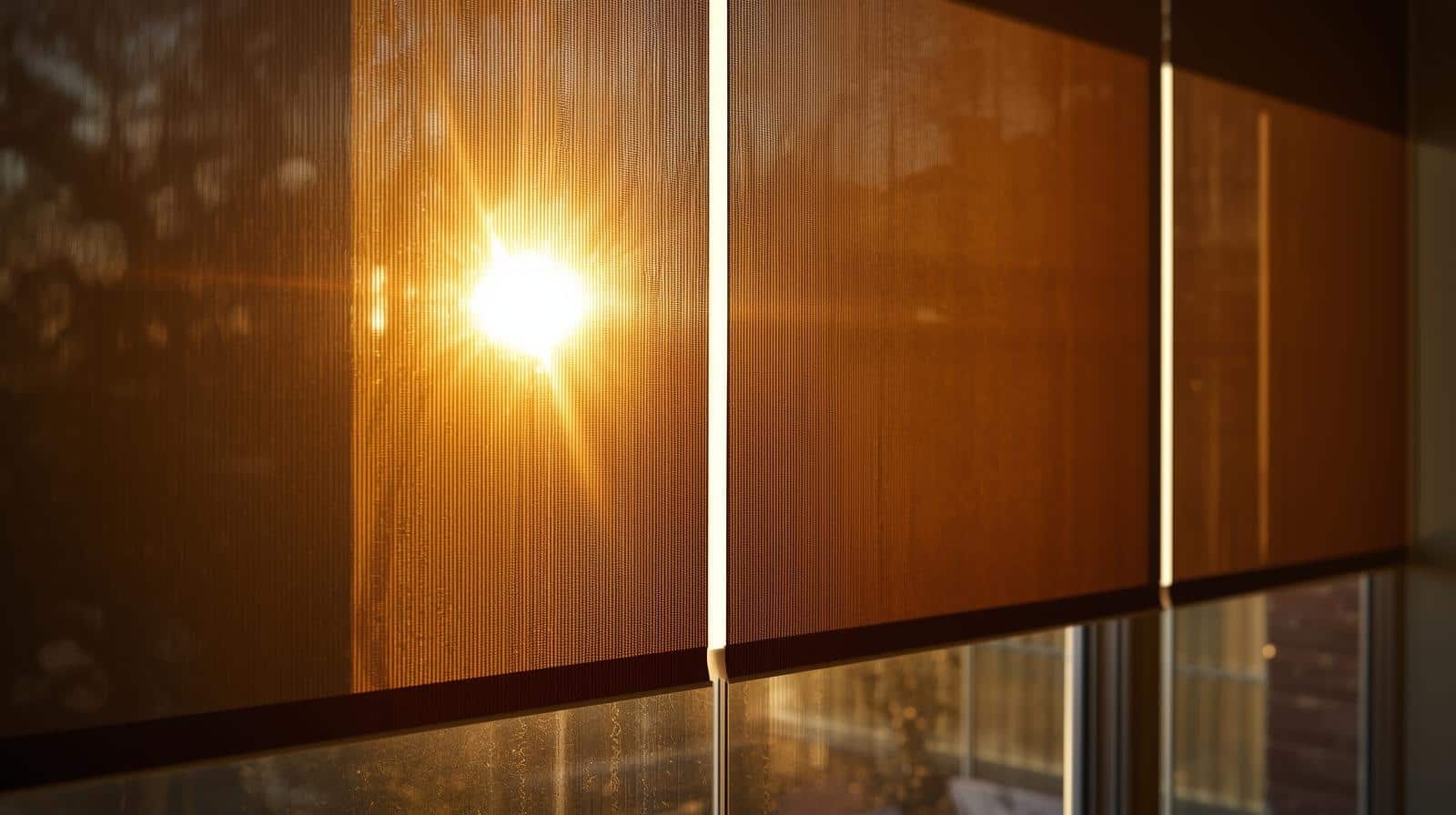
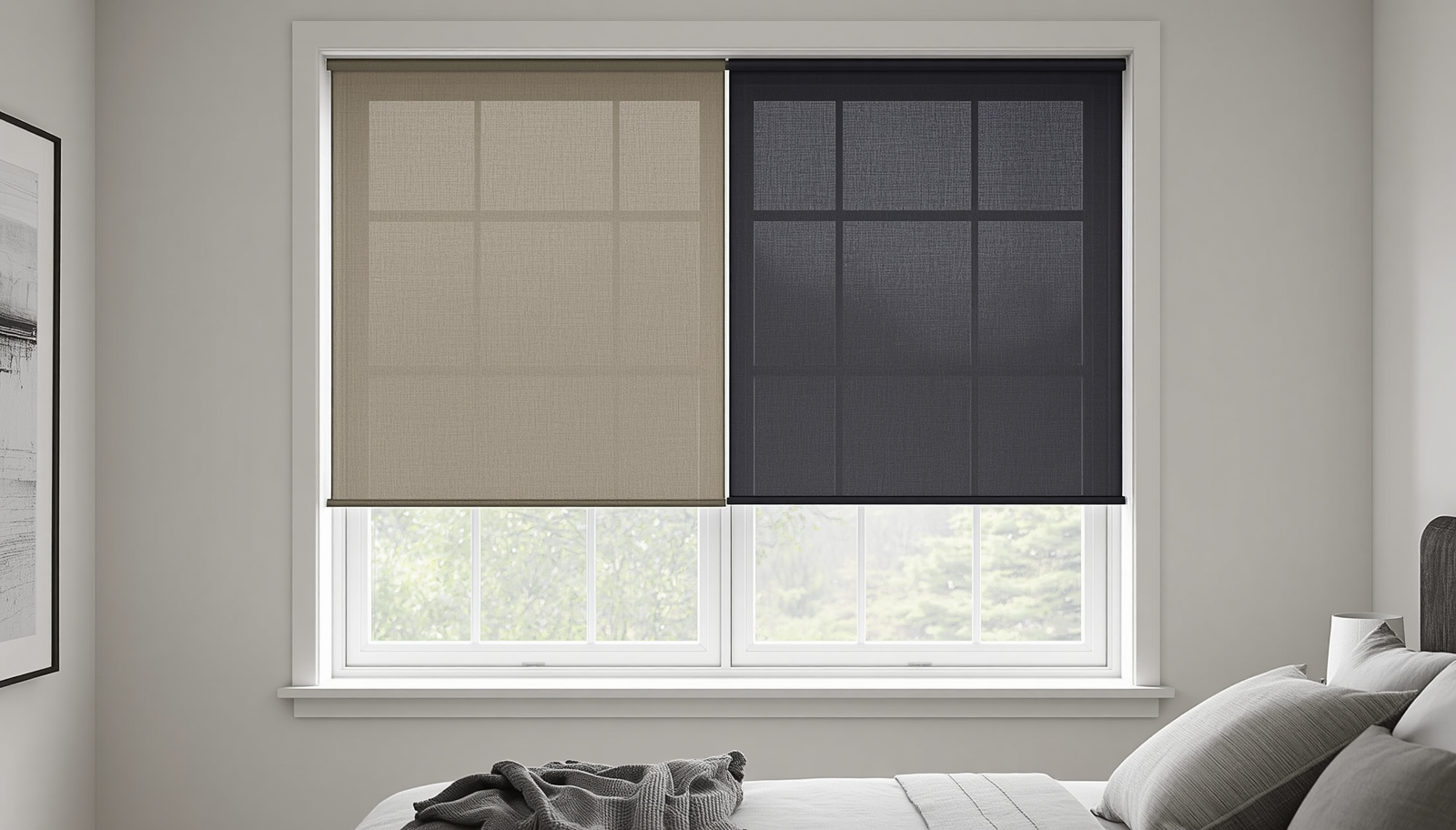
Fabric colour affects heat performance more than most homeowners expect, even within the same openness factor. Darker colours absorb more heat into the fabric itself. That warmth can then radiate into the room over time. Lighter colours, particularly white-backed fabrics, reflect more solar energy away before it becomes heat at all. This is why a white-backed fabric often outperforms a dark fabric of the same openness factor on a harsh west-facing window. Both are marketed as sunscreen options, yet the performance differs noticeably. The trade-off runs the other way for visibility though. Darker fabrics generally offer a clearer outward view during daylight hours than lighter ones do.
Understanding Solar Reflectance and Backing Technology
Solar reflectance measures how much solar energy a fabric bounces away rather than absorbing or letting through. An aluminium-backed fabric can achieve solar reflectance figures considerably higher than an unbacked equivalent. That translates directly into a cooler room on a west-facing summer afternoon. This backing technology matters most on windows with intense, direct sun exposure. A shaded or south-facing opening gets less practical benefit from the extra reflectance. When comparing window roller blinds fabric options, check whether a backing is included, and what its reflectance rating is. That tells you more about real-world heat performance than the blockout or sunscreen label alone.
Dual Roller Systems: Getting Both Properties on One Bracket
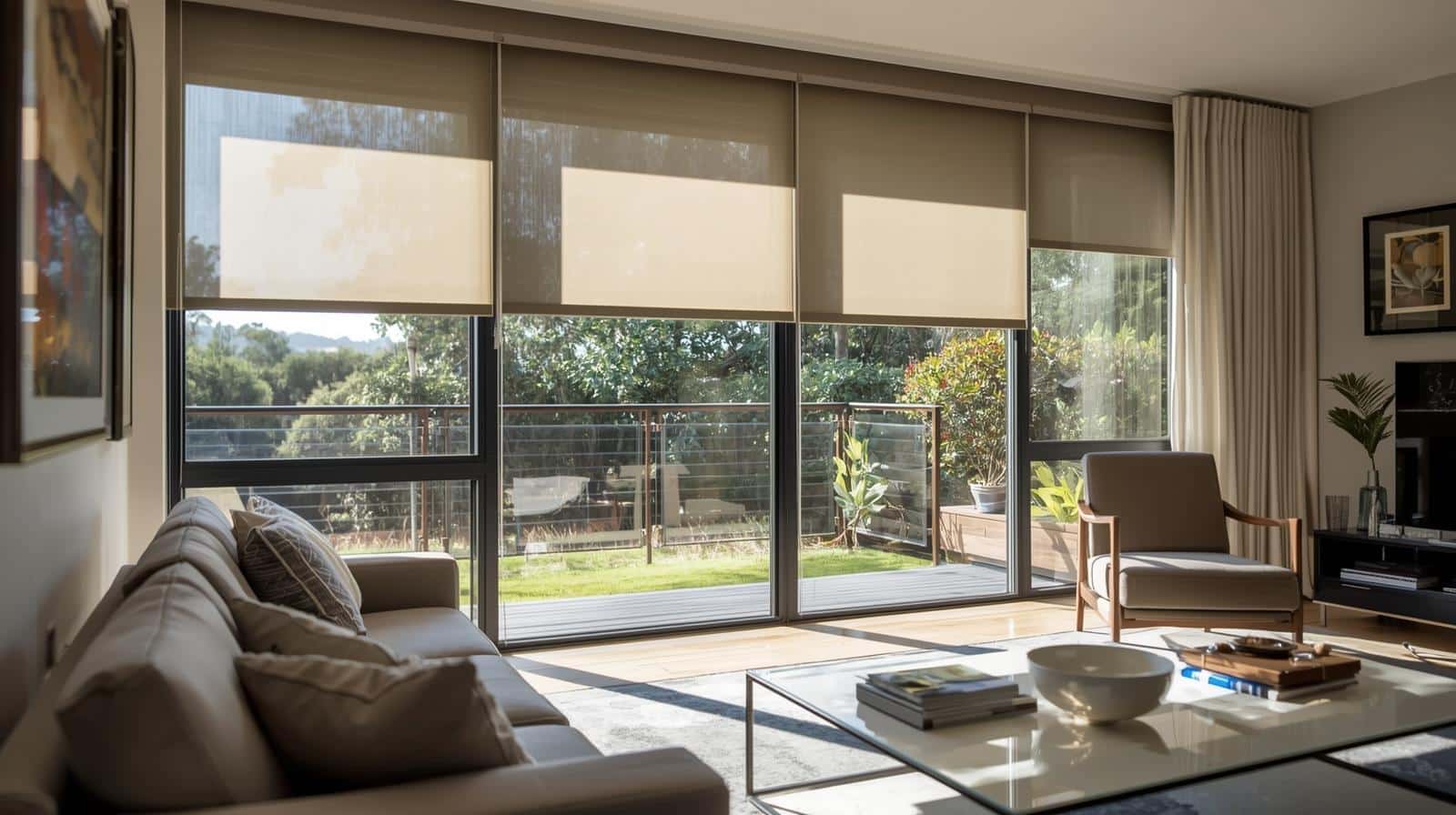
A dual roller system pairs a sunscreen fabric with a full blockout fabric on the same bracket. This lets you switch between the two, or use both together, depending on the time of day. During daylight hours, the sunscreen layer manages glare and UV while keeping the view intact. In the evening, the blockout layer takes over for full privacy and darkness. This approach is worth considering on any window that needs to perform two different jobs across a single day. A west-facing living room used from morning through to night is a good example. It adds a second fabric and mechanism to the window roller blinds setup. For the right window though, it removes the need for a separate curtain entirely.
UV Block Ratings and What They Actually Tell You
A fabric marketed as blocking a high percentage of UV, such as 95% or higher, describes UV transmittance specifically. It isn’t a measure of overall heat performance. A tightly woven, low-openness fabric can block the vast majority of UV radiation. It can still allow some heat to pass through via other means. Radiant heat from the glass itself can warm the room independently of the fabric. This distinction matters most for protecting furniture and flooring from fading, which responds primarily to UV exposure. Keeping a room cool depends more on the combination of openness factor, colour, and backing discussed above. Homeowners chasing furniture protection specifically should prioritise UV block figures. Those chasing a cooler room should weigh openness factor and reflectance more heavily instead.
Matching Fabric Technology to Window Orientation
North and west-facing windows in Brisbane carry the highest heat load, given the angle and intensity of afternoon sun. These windows benefit most from a low openness factor, a reflective backing, or both together. The performance gap between a basic and a well-specified fabric shows up most clearly under this kind of direct exposure. South and east-facing windows see less intense sun. A mid-range openness factor often performs adequately without needing the most heavily specified fabric available. Matching fabric technology to orientation is one of the more effective ways to get real performance. It beats applying the same specification to every window in the house.
Reading a Fabric Spec Sheet Before You Choose

A fabric spec sheet often lists openness factor, colour options, and sometimes a solar reflectance or UV block figure side by side. Learning to read these together, rather than picking a colour first and assuming performance follows, changes which fabric actually suits a given window. Two fabrics in the same product range can carry noticeably different openness factors depending on the colourway chosen. Dyeing and weave density aren’t always uniform across a range. Ask your consultant for the specific openness factor and reflectance figures for the exact colour you’re considering, not just the range in general. This gives a far more accurate picture of how that specific blind will perform once installed.
Ventilated Fabrics and Airflow Considerations
Fabric weave affects more than just light and heat. It can also influence airflow near the window when the blind is down but the window is cracked open for ventilation. A tightly woven, low-openness fabric restricts airflow more than a higher-openness weave, simply because there’s less physical gap for air to pass through. This is a minor factor for most rooms, but it’s worth raising with your consultant for a room that relies on natural cross-ventilation, such as a bedroom without air conditioning. Choosing a slightly higher openness factor for that specific window, even at a small cost to heat performance, can keep the room noticeably more comfortable on a still, humid night.
Getting the Right Fabric Specified for Your Home
Because openness factor, backing, and colour interact in ways that aren’t always obvious from a swatch alone, book a free in-home consultation. A design consultant can assess each window’s orientation and recommend a fabric specification suited to it, rather than defaulting to a generic blockout or sunscreen choice. Our blockout versus sunscreen comparison covers the broader category decision if you’re still weighing which type suits a given room. This guide focuses on the fabric specifics within whichever category you land on. For motorised options that pair well with a dual roller setup, our motorised roller blinds range is worth a look too.
FREQUENTLY ASKED QUESTIONS
What does openness factor mean for window roller blinds?
It describes how much of a sunscreen fabric is open weave versus solid material. A 5% openness factor means about 5% is open space — lower factors block more UV and glare, higher factors keep more outward visibility.
Does fabric colour affect heat performance?
Yes, significantly. Darker colours absorb more heat and radiate it into the room, while lighter, white-backed fabrics reflect more solar energy away, often outperforming a dark fabric of the same openness factor.
What’s the benefit of a dual roller blind system?
It pairs a sunscreen fabric with a full blockout fabric on one bracket, so you get UV and glare control with an intact view by day, and full privacy and darkness by switching to blockout in the evening.
Does a high UV block percentage mean a fabric blocks heat too?
Not necessarily. UV block figures describe UV transmittance specifically. A fabric can block most UV radiation while still allowing some heat through via other means, like radiant heat from the glass itself.
Should every window in my house use the same roller blind fabric?
No. North and west-facing windows carry the highest heat load and benefit most from a low openness factor or reflective backing, while south and east-facing windows often perform fine with a mid-range specification.

Related Posts


Comments (0)