
Curtain care depends on fabric type. Sheers and cottons handle a gentle machine wash. Linen,…

Curtain Installation Brisbane: Process, Timelines, and Tips
Professional curtain installation in Brisbane typically takes 1–3 hours per room and involves precise measurement, hardware mounting, and final adjustments to ensure your curtains hang perfectly and function smoothly for years to come.
Choosing beautiful curtains is only half the journey—proper installation makes the difference between window treatments that look and function perfectly versus those that sag, stick, or simply don’t deliver the aesthetic you envisioned. For Brisbane homeowners, understanding what professional curtain installation involves, how long it takes, and what to expect helps ensure a smooth experience and outstanding results. Whether you’re installing sheer curtains in a Queenslander or motorised blockout curtains in a modern apartment, knowing the process removes uncertainty and helps you prepare appropriately.
What Professional Curtain Installation Involves
Curtain installation goes far beyond simply hanging fabric on a rod. Professional installation encompasses several critical elements that determine how your curtains look and perform. The process includes mounting hardware securely to walls or ceilings, ensuring tracks or rods are perfectly level, adjusting brackets for optimal support, and fine-tuning the hang and operation of your curtains.

The complexity varies significantly depending on curtain type, window size, and mounting surface. Installing a simple rod with eyelet curtains on a standard plasterboard wall differs considerably from mounting a motorised track system on a concrete ceiling or installing a heavy blockout curtain with pelmets on a timber-framed Queenslander window.
Professional installers bring specialised tools, hardware knowledge, and experience that ensures your curtains are mounted safely and securely. They understand weight distribution, appropriate fixing methods for different wall types, and how to achieve the precise measurements that make curtains hang beautifully. This expertise becomes particularly valuable when dealing with Brisbane’s diverse housing stock, from heritage homes with hardwood frames to modern apartments with concrete construction.
The Complete Installation Process
Understanding each stage of professional curtain installation helps you know what to expect and appreciate the care involved in achieving perfect results.
Initial Consultation and Measurement
The process begins with an in-home consultation where an experienced consultant assesses your windows, discusses your needs, and takes precise measurements. This stage is crucial because even small measurement errors can result in curtains that don’t fit properly or function as intended. During this visit, the consultant evaluates mounting options, identifies any potential challenges, and recommends the best installation approach for your specific situation.
For Brisbane homes, this consultation often reveals important considerations such as high ceilings in Queenslanders that require extension poles, concrete lintels in brick homes that need special drilling equipment, or window frames affected by Queensland’s humidity that may need adjustments. These insights inform both the product recommendations and the installation planning.
Manufacturing and Preparation
Once you’ve selected your curtains and approved the quote, manufacturing begins. For custom curtains, this stage typically takes one to three weeks, depending on fabric availability and complexity. During this time, your curtains are carefully constructed to your exact specifications, and all necessary hardware is prepared and organised for installation.
Quality manufacturers take care to match patterns, ensure consistent hem lengths, and verify that all components—curtains, tracks or rods, brackets, finials, and accessories—are ready for a seamless installation. This preparation stage is where attention to detail pays dividends in the final result.
Quality Check and Demonstration
Before leaving, professional installers conduct a thorough quality check, testing curtain operation, verifying secure mounting, and ensuring you’re completely satisfied with the appearance and function. They’ll demonstrate proper operation, explain any care requirements, and answer your questions about maintenance and use.
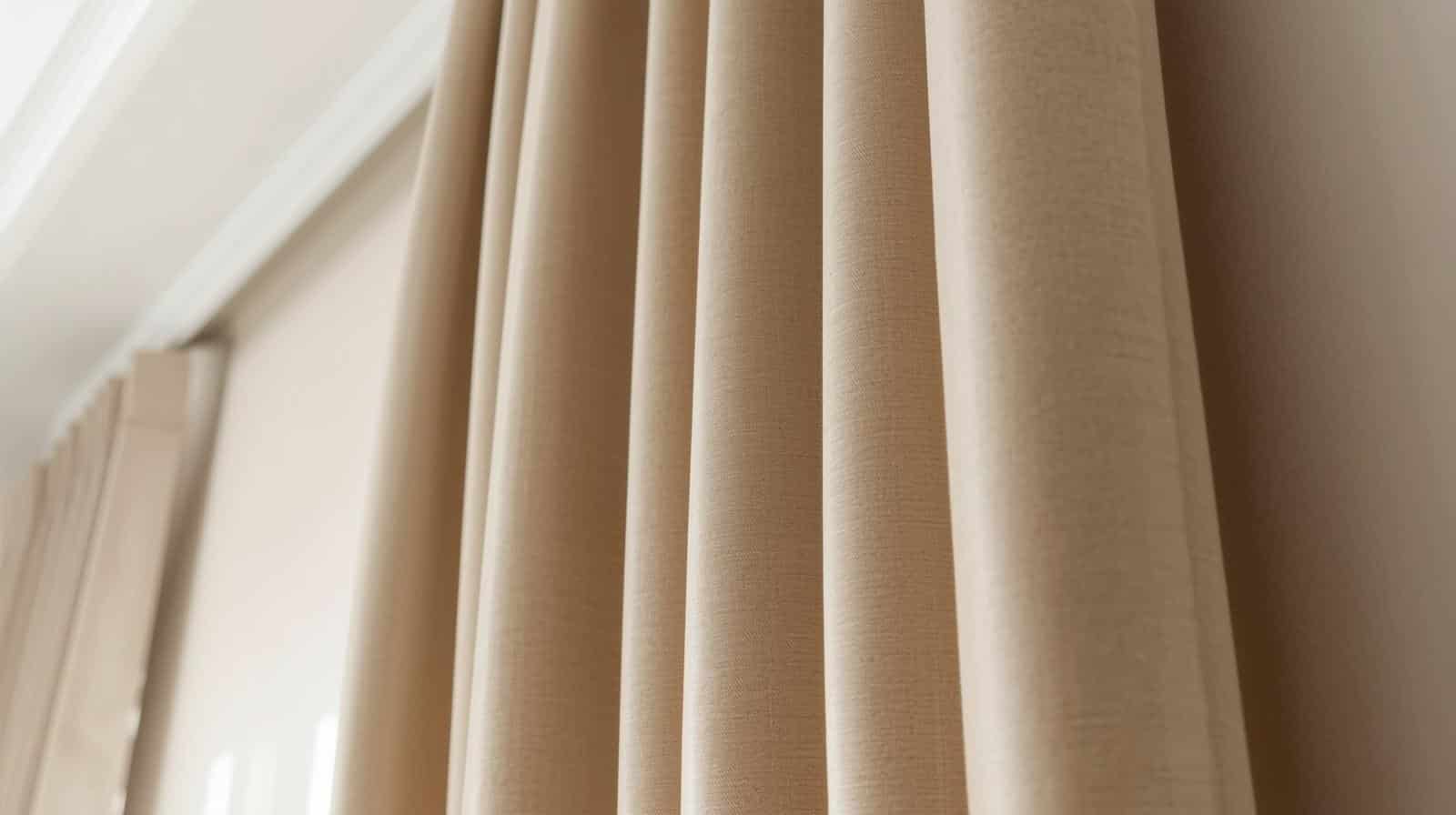
This handover stage is particularly important for motorised curtains or complex track systems where understanding proper operation ensures longevity and prevents damage from incorrect use.
Timeline Expectations
Understanding realistic timeframes helps you plan appropriately and sets proper expectations for your curtain installation project.
From initial consultation to completed installation, the typical timeline spans three to five weeks for custom curtains. This breaks down into approximately one week for consultation and finalising selections, two to three weeks for manufacturing, and installation itself typically completed within one day.
The actual installation duration varies based on several factors. A single standard window with a simple rod and curtains might take just one hour, while a large living area with multiple windows, ceiling-mounted tracks, and blockout curtains could require three to four hours. Motorised installations generally add time for electrical connections and programming.
For Brisbane homeowners planning installations, consider that demand often peaks before summer (when homeowners want heat-blocking solutions) and during spring renovation periods. Booking during these busy times may extend lead times, so planning ahead ensures you can secure your preferred installation date.
Different Curtain Types and Installation Considerations
The installation requirements vary significantly depending on curtain type, and understanding these differences helps you appreciate the expertise involved.
Track vs Rod Systems
Curtain tracks offer a sleek, contemporary look and work particularly well for bay windows, corner windows, or situations requiring curtains to bend around curves. Track installation typically involves ceiling mounting and requires precise alignment to ensure smooth operation. Tracks are ideal for heavier curtains and provide excellent light-blocking capability when paired with pelmets.

Curtain rods create a more traditional aesthetic and suit many Brisbane home styles, particularly Queenslanders and period homes. Rod installation involves wall or ceiling brackets and requires careful attention to ensure the rod doesn’t bow under the curtain weight. The bracket spacing depends on curtain weight and rod material—heavier curtains need more support brackets.
Motorised Curtains
Motorised curtain installation adds complexity but delivers exceptional convenience. Installation requires power access, motor mounting, and programming the control system. Professional installers ensure motors are positioned correctly for smooth operation and that safety features function properly. For Brisbane homes, motorisation particularly suits large windows, high or hard-to-reach windows, and situations where automated light control enhances energy efficiency.
Sheer and Blockout Combinations
Many Brisbane homeowners choose dual curtain installations combining sheer and blockout layers for maximum versatility. This requires double track systems or specialized rods that accommodate both layers while maintaining smooth, independent operation. Installation complexity increases with these systems, making professional installation particularly valuable.
Brisbane Home Considerations
Brisbane’s unique housing characteristics and climate create specific installation considerations that experienced local installers understand and navigate expertly.
Queensland’s humidity can affect timber window frames and walls, sometimes causing slight movement or swelling. Professional installers account for this when selecting fixing methods and positioning hardware, ensuring your curtains continue to function smoothly despite these environmental factors.

Brisbane’s diverse housing stock—from elevated Queenslanders with high ceilings to modern apartments with concrete construction—requires installers to adapt techniques and bring appropriate equipment for each situation. Queenslanders often feature beautiful timber window frames that require careful drilling to avoid splitting, while modern concrete construction demands specialized drill bits and fixings.
The subtropical climate also influences curtain choices and installation approaches. Many Brisbane homeowners prioritise blockout curtains for temperature control, which tend to be heavier and require robust mounting solutions. Professional installers ensure hardware can support these heavier treatments safely and securely.
Preparing for Installation Day
Taking a few simple steps before your installers arrive ensures the process runs smoothly and efficiently.
Clear the area around windows, removing furniture, plants, and décor items that might obstruct access. This gives installers space to work safely and protects your belongings from accidental damage. If you have particularly heavy furniture that’s difficult to move, discuss this during your consultation so installers can plan accordingly.
Ensure power access if you’re installing motorised curtains. Let installers know about any electrical considerations or access limitations. For homes with security systems, you may need to disable sensors near windows during installation.
Remove existing curtains, rods, or hardware unless your installer has agreed to handle this as part of the service. Taking down old treatments beforehand saves time and allows installers to focus on the new installation.
Finally, ensure someone over 18 will be home during the entire installation. Installers may need to ask questions, demonstrate features, or seek approval on minor adjustments, so having a decision-maker present ensures smooth completion.
Professional vs DIY Installation
While some homeowners consider DIY curtain installation to save costs, understanding when professional installation is worthwhile helps you make an informed decision.
DIY installation can work for simple, lightweight curtains on standard plasterboard walls where you have the necessary tools and confidence. However, professional installation becomes valuable—and sometimes essential—in several situations.
Heavy curtains, particularly blockout or lined options, require secure mounting that can safely support significant weight. Incorrect installation can result in hardware pulling away from walls, damaging both curtains and your home. Professional installers understand load requirements and use appropriate fixings for curtain weight and wall type.
 Ceiling-mounted tracks, motorised systems, and complex installations require specialized knowledge and tools that most homeowners don’t possess. The cost of mistakes—damaged walls, incorrectly functioning systems, or safety hazards—often exceeds professional installation costs.
For Brisbane’s older homes with hardwood frames or concrete construction, professional installers bring the right equipment and expertise to drill safely without damaging these challenging surfaces. They also carry insurance that protects you if something goes wrong during installation.
Perhaps most importantly, professional installation ensures your curtains hang beautifully and operate smoothly from day one. The precision and adjustments that experienced installers provide are difficult to replicate without significant experience, and these details make the difference between adequate and exceptional results.
What to Expect on Installation Day
Knowing what happens during installation helps you feel prepared and confident about the process.
Installers typically arrive within a scheduled timeframe and introduce themselves before beginning work. They’ll often do a quick walkthrough to confirm the installation plan and address any last-minute questions you might have.
During installation, you’ll hear drilling and some noise as hardware is mounted. Professional installers take care to minimise mess, often using drop sheets and cleaning up as they work. They’ll test curtains multiple times during installation to ensure smooth operation and make adjustments as needed.
The process is generally straightforward and shouldn’t disrupt your household significantly. You can continue with other activities in different areas of your home, though you’ll want to remain available in case installers have questions or need access to different areas.
Once installation is complete, installers will demonstrate curtain operation, explain any specific care requirements, and ensure you’re completely satisfied before leaving. This is your opportunity to ask questions about maintenance, cleaning, or operation.
Post-Installation Care
Proper care after installation ensures your curtains continue to look beautiful and function smoothly for years to come.
For the first few days after installation, operate your curtains gently as tracks and mechanisms settle into regular use. This break-in period allows everything to adjust and ensures smooth long-term operation.

Regularly dust or vacuum curtains using appropriate attachments to prevent dirt buildup that can affect appearance and fabric longevity. Different curtain fabrics have specific cleaning requirements, so follow the care instructions provided by your installer or manufacturer.
Check hardware periodically to ensure brackets remain secure and tracks operate smoothly. While professional installation ensures secure mounting, the natural settling of Brisbane homes—particularly timber Queenslanders—can occasionally require minor adjustments. If you notice any issues with operation or mounting, contact your installer promptly to address concerns before they develop into larger problems.
For motorised curtains, follow battery replacement or power management guidelines to ensure consistent operation. Most motorised systems are designed for years of reliable use with minimal maintenance, but following manufacturer recommendations maximises longevity.
Choosing the Right Installation Service
Selecting an experienced, reputable curtain installation service ensures you receive the quality results you deserve.
Look for installers with substantial local experience who understand Brisbane’s diverse housing stock and unique installation challenges. Companies that have served the Brisbane area for decades—like Complete Blinds Brisbane, established in 1989—bring invaluable knowledge of local homes and proven installation techniques.
Quality installers use their own trained craftsmen rather than sub-contractors, ensuring consistent quality control and accountability. This approach means the same high standards apply to every installation, and you can trust that installers represent the company’s reputation with every job.

Comprehensive warranties covering both products and installation workmanship provide peace of mind and demonstrate confidence in quality. Understanding what’s covered and for how long helps you make informed decisions and ensures protection if issues arise.
Finally, choose installers who offer free in-home consultations with detailed measurements and transparent quotes. This service demonstrates commitment to getting installations right from the start and ensures you understand exactly what to expect before committing to the project.

Related Posts


Comments (0)