
The right curtain style depends on your window. Eyelet suits small to medium windows and…

Curtain Trends in Queensland: Colours, Textures, Lengths
The curtain trends shaping Queensland homes in 2026 lean toward warm neutrals, tactile natural-look fabrics, and floor-length panels. However, Brisbane’s humidity means texture and fabric choice matter more here than in cooler climates.
Curtain trends for 2026 favour warm, calming colours over the cool greys of recent years. Natural textures like linen and boucle-look weaves are replacing flat, smooth fabrics. Floor-length curtains remain the most popular length, especially in living areas with high ceilings. In Queensland, though, these trends need to work with the state’s heat and humidity, not just its interior design magazines. Since climate performance and style aren’t always the same thing, it pays to check both before committing to a fabric.
What Are the Biggest Curtain Trends in Queensland Right Now?
National and global curtain trends for 2026 centre on warmth, texture, and natural materials. Queensland homeowners are following this shift, but with a few local adjustments. Humidity and UV exposure change how a trending fabric actually performs once it’s hanging in a Brisbane living room. Because of this, a fabric that photographs beautifully in a showroom doesn’t always behave the same way. A Brisbane summer can change how it looks and feels within months.

Layering is one trend that translates particularly well here. For example, pairing a sheer curtain with a heavier drape gives daytime light control and evening privacy. This suits Queensland’s long daylight hours, since the state needs both airflow and shade. Style and climate don’t have to compete when the layering is planned properly from the start. Additionally, layering allows a home to follow a bold trend colour on the sheer layer. The heavier drape can stay in a safer, longer-lasting neutral underneath.
Which Curtain Colours Suit Queensland Homes in 2026?
Warm neutrals are replacing cool greys as the dominant curtain colour trend this year. Sand, oat, and soft terracotta tones are especially popular, since they suit both modern and character-home interiors. These shades also hide dust and light fading better than stark white over time, particularly given Brisbane’s dust and pollen levels through spring.
Deeper jewel tones like emerald and navy are trending too, although mostly as accents rather than an entire room’s palette. In Brisbane, a deep colour on a west-facing window can absorb more heat than a lighter shade. Consequently, darker curtain trends often suit east- or south-facing rooms better than the hottest, sun-exposed elevations of the house. A navy drape might look striking in a magazine spread. On a west-facing living room, though, it can make the fabric noticeably warmer to the touch by late afternoon.
Which Curtain Textures Perform Best in Brisbane’s Humidity?
Textured fabrics, such as boucle-look weaves and heavier linens, are a defining curtain trend for 2026. They add depth to a room without needing a bold colour or pattern, whereas a flat fabric often needs one to feel finished. However, not every trending texture suits Brisbane’s climate equally well.
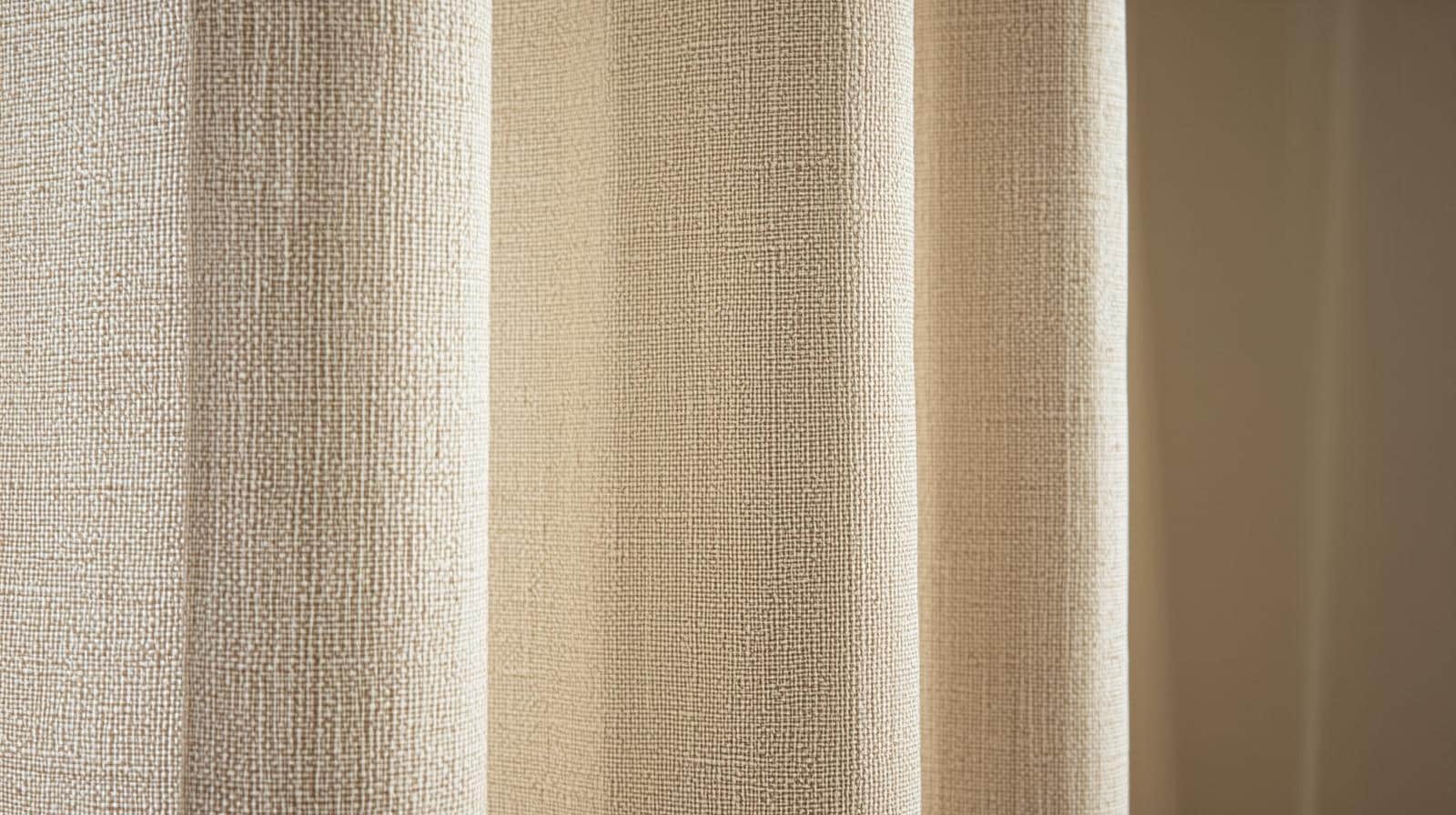
Brisbane sits in a humid subtropical zone, with average humidity around 70 to 75 percent through summer. Natural fibres like pure linen can hold moisture longer in these conditions. This occasionally leads to a musty smell in poorly ventilated rooms. Blended fabrics, combining natural texture with a synthetic base, often perform better here while still delivering the on-trend tactile look. This is a detail most curtain trend guides skip entirely, since they’re written for drier or more temperate climates. A well-chosen lining also helps, since it adds a barrier between the decorative fabric and the humid air behind it.
What’s the Right Curtain Length for Queensland-Style Windows?
Floor-length curtains remain the most popular length trend for 2026, and they suit Queensland’s high-ceilinged living rooms particularly well. Because a curtain that just grazes the floor makes a room feel taller and more finished than one that stops short.
For older Queenslander homes with tall, narrow windows, floor-length curtains also help balance the room’s proportions. In bedrooms, however, a slightly shorter break can suit lower ceilings without looking cut off. On our own jobs across Brisbane, we still measure every window individually. Even “standard” Queenslander openings vary more than most homeowners expect. Getting the break right is what separates a trend-led room from one that looks slightly off. That might mean a soft puddle on the floor, or a crisp, clean graze.
Do Curtain Trends Change for Older Queenslander Homes?
Yes, in a few important ways. Character homes often have high ceilings, deep verandahs, and large expanses of glass that behave differently to a modern build. A trending fabric that suits a new-build apartment might overwhelm a Queenslander’s more ornate window and skirting details. Proportions matter more here than in a plainer, more contemporary space.
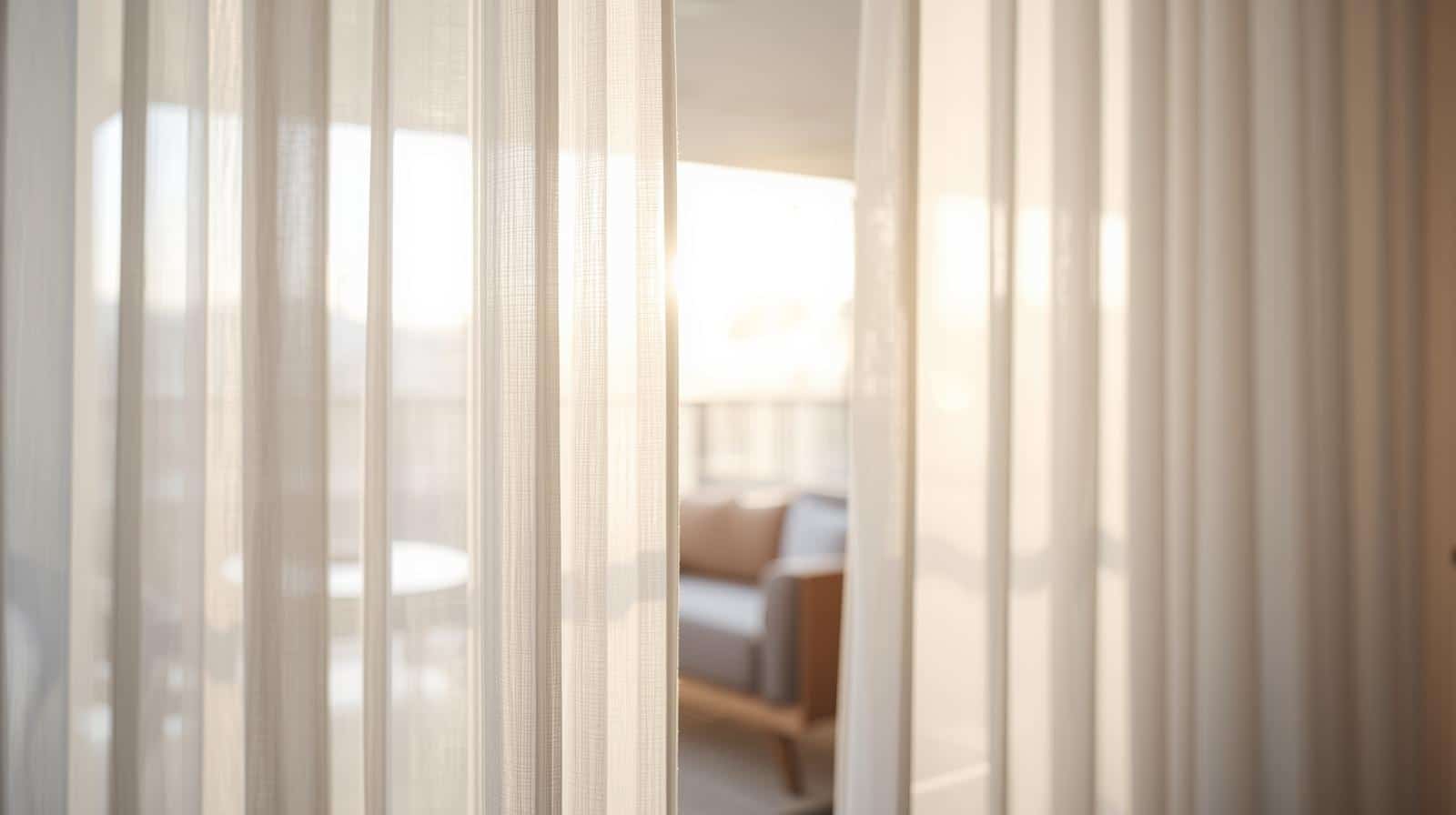
Simpler curtain headings, such as S-fold or wave, tend to suit these homes better than heavily gathered pencil pleats. Because of this, the trend stays current without fighting the home’s existing character. Our curtains range includes S-fold, wave, and pleated options. This means a Queenslander doesn’t need to sacrifice trend relevance for architectural fit.
Common Mistakes When Following Curtain Trends
The most common mistake is choosing a trending fabric purely from a photo. Checking how it performs in Brisbane’s climate matters just as much as how it looks online. A boucle-look linen blend that looks perfect online can behave very differently in a humid, sun-exposed room.
Another frequent issue is over-committing to a bold trend colour across an entire home. Using it as an accent instead tends to age better, since trends move faster than curtains typically get replaced. A third mistake is assuming every room needs the same fabric and length. A Queenslander’s living room and bedroom windows often call for genuinely different solutions. Our Brisbane curtains buyer’s guide covers fabric, lining, and hardware choices in more depth. Meanwhile, our made-to-measure vs ready-made guide explains why custom curtains suit Brisbane’s varied window sizes better than off-the-shelf options.
FREQUENTLY ASKED QUESTIONS
What are the biggest curtain trends in Queensland right now?
Warm neutrals, textured natural-look fabrics, and floor-length panels are leading in 2026. However, Brisbane’s humidity means texture and fibre choice need to suit the climate, not just the look. Layering a sheer with a heavier drape is also trending strongly here.
Which curtain colours suit Queensland homes best?
Warm neutrals like sand, oat, and terracotta are the dominant trend for 2026. Deeper jewel tones work well as accents rather than a whole-room colour. Darker shades generally suit east- or south-facing rooms better than hot, west-facing windows.
Do trending curtain textures work in Brisbane’s humidity?
Not always as well as they perform elsewhere. Pure linen can hold moisture in Brisbane’s humid summers, occasionally causing a musty smell. Blended fabrics often deliver the same tactile trend with better humidity performance.
What’s the best curtain length for Queensland homes?
Floor-length remains the most popular trend, especially for high-ceilinged living rooms. Older Queenslander homes benefit from this length too, since it balances tall, narrow windows. Bedrooms can suit a slightly shorter break without looking unfinished.
Do curtain trends need to change for older Queenslander homes?
Often, yes, since character homes have different proportions to modern builds. Simpler headings like S-fold or wave tend to suit Queenslanders better than heavy pencil pleats. This keeps the trend current without fighting the home’s existing character.

Related Posts


Comments (0)