
Curtain care depends on fabric type. Sheers and cottons handle a gentle machine wash. Linen,…
All-Season Curtain Strategy for Brisbane Homes
Curtains for Brisbane homes need to manage intense heat and UV in summer, retain warmth and welcome light in winter, and match each room’s specific function and orientation. Getting fabric, heading style, and layering right for each room makes the difference between curtains that look good and curtains that genuinely improve daily comfort.
How Brisbane’s Climate Shapes Every Curtains Decision
Brisbane sits in a subtropical climate zone. According to the Bureau of Meteorology, the city experiences around 283 sunny days per year. Summer temperatures regularly exceed 30°C. UV Index readings reach extreme levels between October and March.

That solar intensity shapes every curtains-in-Brisbane decision. West-facing windows receive the most heat-generating afternoon sun. North-facing windows face exposure throughout the day. East-facing rooms receive morning light that is less intense but still significant in summer. South-facing rooms receive cool, indirect light year-round.
Additionally, Brisbane’s humidity — particularly from December through February — affects which fabrics perform well long-term. Synthetic fibres and treated poly-blends resist moisture and resist mould. They maintain their appearance better than untreated natural fibres in these conditions. This climate reality shapes fabric, lining, and heading recommendations for every room in a Brisbane home.
Summer Curtains for Brisbane: Managing Heat, Glare, and UV
In summer, the curtain’s primary job is heat and glare management. Sunlight entering through unprotected glass converts to radiant heat inside the room. Internal curtains cannot fully prevent this process. However, the right fabric and configuration significantly reduce the rate of heat transfer.
A blockout fabric with a white or light-coloured backing on the glass-facing side reflects radiant heat before it penetrates the room. In west-facing bedrooms and living areas, this makes a measurable difference to afternoon comfort. Closing blockout curtains before the afternoon sun peaks — rather than after the room has already heated — amplifies their thermal benefit considerably.
For living areas where total darkness is not the goal, a layered system works well. A sheer front and a blockout rear allow you to draw the sheer for filtered light and privacy. The blockout stays ready for peak heat hours. YourHome.gov.au notes that layered window treatments with air gaps between layers provide thermal buffering approaching the insulating effect of double glazing. In Brisbane’s summer, that buffer is genuinely useful. For a detailed look at how the layered system works, see the guide to layered curtains and sheers over blockouts.
UV protection is the other summer priority. Brisbane’s intense UV exposure fades carpets, timber floors, upholstery, and artwork over time. Quality curtains with UV-blocking treatments reduce this damage significantly. Even a sheer fabric with a UV protection rating preserves interiors far better than unprotected glass alone.
Winter Curtains for Brisbane: Retaining Warmth and Welcoming Light
Brisbane’s winter is mild compared to southern Australian cities. Temperatures rarely drop below 10°C overnight. Daytime conditions are often sunny and clear. However, winter mornings can feel noticeably cool. Well-fitted curtains make a real difference to how a room feels from early morning.
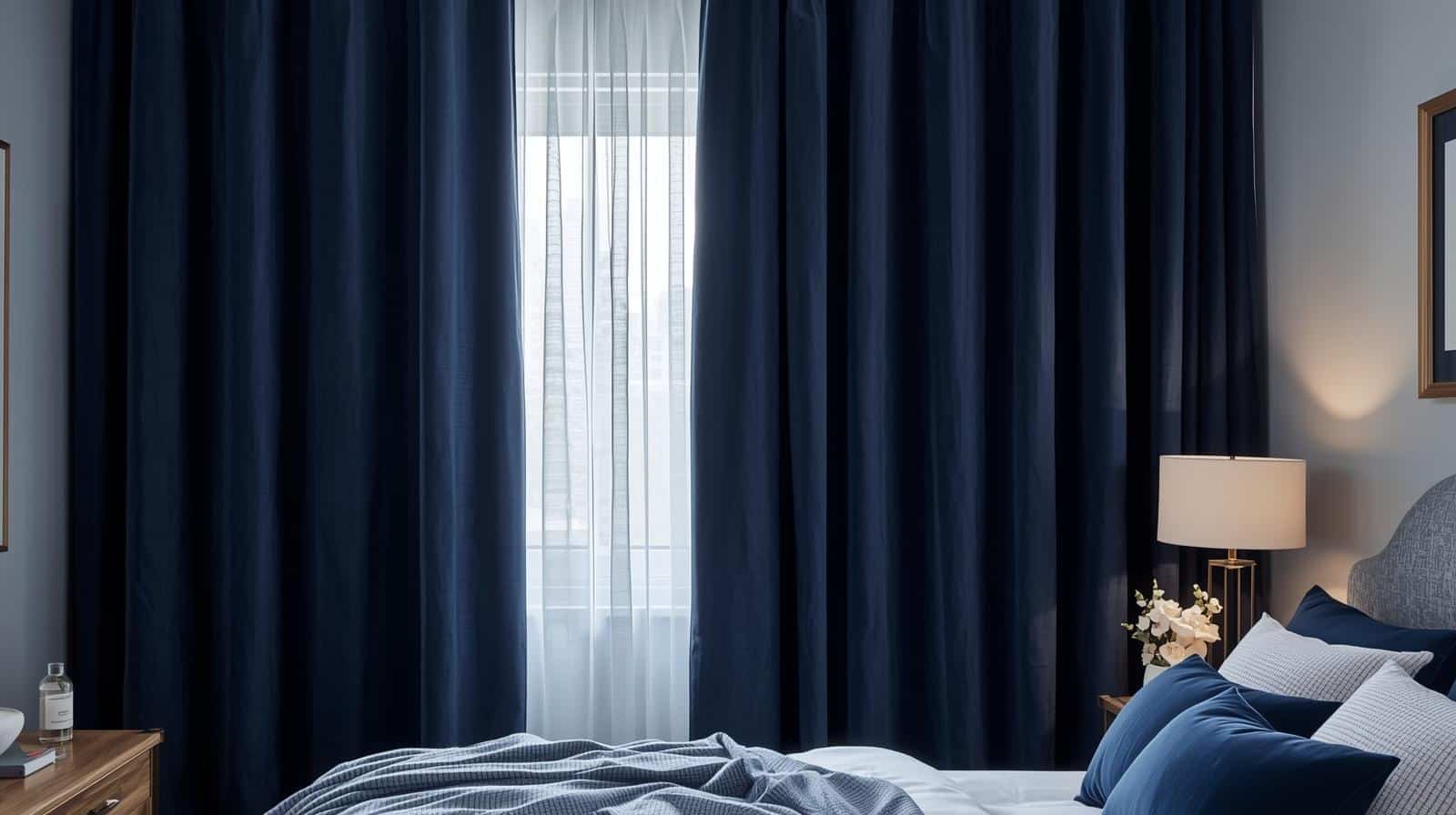
Heavier blockout fabrics retain warmth overnight. The air gap between the curtain and the window glass acts as an insulating layer. Keeping curtains closed on cold nights — particularly on south-facing windows — reduces the rate at which warmth escapes through the glass.
During the day in winter, the strategy reverses. Open curtains on north-facing windows allow warming sunlight to enter freely. This passive solar gain reduces heating demand and creates a brighter, more comfortable room throughout the day.
The seasonal swing in Brisbane is not as extreme as in colder climates. However, curtains that work in both directions — retaining heat at night and allowing solar gain by day in winter — outperform any single approach designed for only one condition.
Room by Room — Matching Brisbane Curtains to Function
Living Areas and Open-Plan Spaces
Living areas need flexibility. Light conditions change dramatically between a sunny summer afternoon and a grey winter morning. A layered treatment — sheer on the front track, blockout on the rear — handles both without compromise. The sheer filters glare and UV during the day. The blockout manages peak summer heat and provides full privacy in the evening.
S-fold or wave heading styles suit open-plan living areas and contemporary Brisbane homes particularly well. They hang cleanly, stack neatly when open, and maintain an architectural quality that complements modern interiors. For north and west-facing living rooms receiving significant direct sun, a tighter-weave sheer fabric provides better UV and heat management without reducing the room’s light quality noticeably. Browse the Complete Blinds Brisbane curtains range to see sheer and blockout fabric options suited to living areas.
Bedrooms
Bedrooms have one non-negotiable requirement: the ability to achieve complete darkness when needed. A blockout fabric on the rear track of a double-track system delivers this. In Brisbane, summer sunrises arrive before 5am. Even a small light gap around a poorly fitted curtain disrupts sleep.
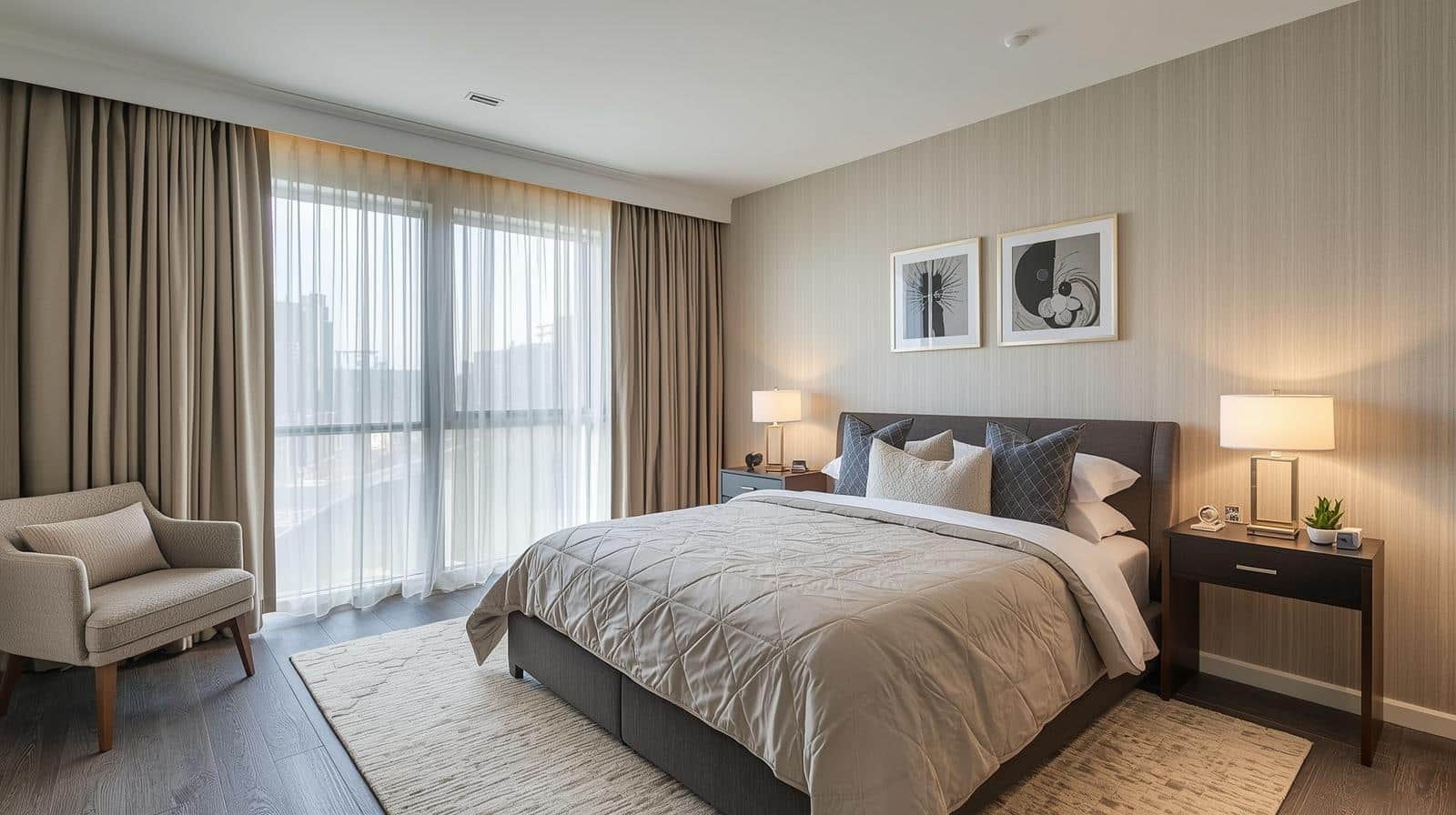
Ceiling-mounted tracks extending well past the window frame on both sides — combined with a hem that grazes or lightly puddles on the floor — minimise those gaps significantly. A sheer front layer allows a gentle morning light quality without full brightness. It softens the transition from night to morning and adds visual depth to the window. For master bedrooms in particular, the combination of a quality sheer and a well-fitted blockout is the most-requested configuration Complete Blinds Brisbane installs. The bedroom curtains Brisbane guide covers darkness, noise, and style in detail.
Home Offices
Home offices need consistent, glare-free light throughout the day. Direct sun on a computer screen is one of the most persistent comfort problems in Brisbane home offices. It affects east-facing rooms in the morning and west-facing rooms in the afternoon most severely.
A sheer or light-filtering fabric handles morning glare effectively. For afternoon west-facing positions, a heavier sunscreen fabric or a layered system with a room-darkening rear layer provides the control needed for screen-based work without making the room feel dark or enclosed.
Which Heading Style Suits Curtains in Brisbane Homes?
Heading style affects both how a curtain looks and how well it performs. The most popular choices in Brisbane homes each suit a different architectural context. The curtain heading styles guide covers S-fold, pinch pleat, and eyelet in full detail — including which hardware each style requires.

S-fold curtains create a smooth, continuous wave on a ceiling-mounted track. They suit contemporary homes and open-plan living areas. The result is clean, uncluttered, and architectural. They also stack neatly when open, maximising the view.
Pinch pleat curtains create structured, tailored folds. They suit traditional Queensland homes, formal dining rooms, and rooms with decorative rods where the heading forms part of the visual statement. For heritage Queenslanders, a triple pinch pleat in a natural fabric is one of the most sympathetic choices available.
Eyelet curtains thread directly onto a decorative rod. They offer a straightforward option for smaller rooms and informal spaces. However, eyelet curtains require a rod — they do not suit ceiling-mounted tracks.
What Fabric Performs Best in Brisbane Year-Round?
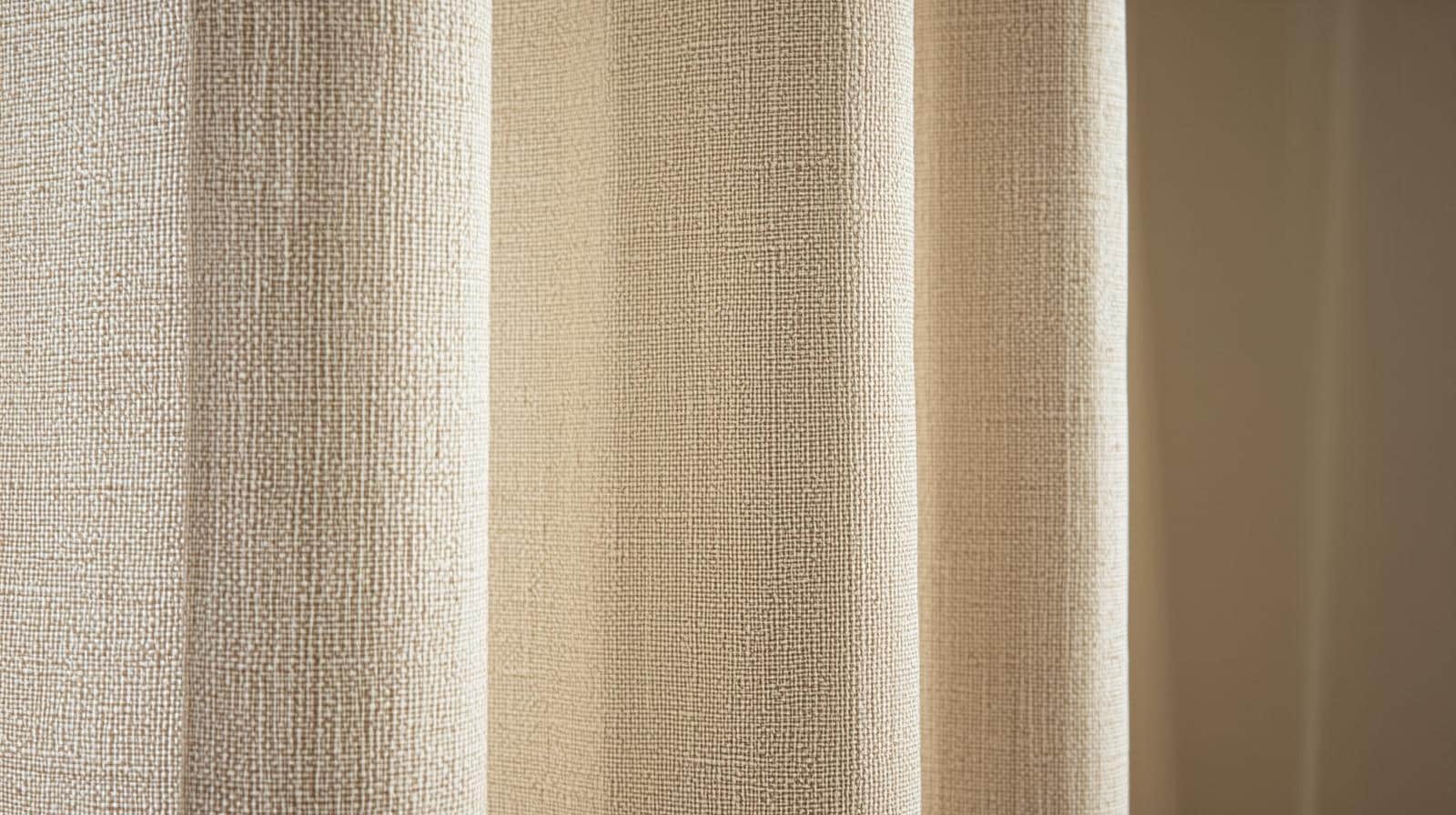
For Brisbane’s conditions, the fabric hierarchy is clear. Synthetic and treated poly-blend fabrics handle UV, humidity, and heat the most reliably with the least maintenance. Polyester voile works well for sheers. Foam-backed or triple-weave polyester performs strongly for blockouts.
Natural linen and cotton fabrics remain popular in Brisbane interiors. In living areas away from direct sun and in well-ventilated rooms, they perform well. In high-sun or high-humidity positions — west-facing bedrooms, rooms adjacent to bathrooms, or tightly sealed air-conditioned spaces — they require more maintenance. Fading and moisture issues become a risk over time.
For any fabric, adding a lining improves performance. An interlining adds warmth and body. A blockout lining converts a decorative fabric into a high-performance sleep or heat-control treatment, without changing the visible face of the curtain from inside the room. For more detail on fabric, hardware, and heading options, the complete Brisbane curtain buyer’s guide is a useful next step.
FREQUENTLY ASKED QUESTIONS
What curtains are best for Brisbane’s climate?
A layered system — sheer front, blockout rear — suits most Brisbane rooms. It handles the full range of light conditions across the day and across seasons. For west-facing rooms, a blockout with a reflective backing reduces afternoon heat gain significantly.
Do curtains help with heat in a Brisbane home?
A: Yes. A blockout fabric with a light-coloured reflective backing on west and north-facing windows reduces radiant heat before it enters the room. Closing curtains before peak afternoon heat — rather than after — amplifies the benefit. A layered system also creates a passive air-gap buffer between the tracks and the glass.
What fabric performs best in Queensland’s heat and humidity?
Synthetic and treated poly-blend fabrics — polyester voile for sheers, foam-backed polyester for blockouts — resist UV fading and handle humidity without mould issues. Natural linen and cotton perform well in living areas away from direct sun but require more maintenance in high-UV or high-humidity positions.
What heading style suits a Queensland home?
S-fold on a ceiling-mounted track suits contemporary open-plan homes and produces a clean, architectural finish. Pinch pleat on a decorative rod suits traditional Queensland homes and Queenslanders where the heading forms part of the room’s visual statement. Eyelet headings work well for smaller rooms where a simple rod setup is preferred.
Should I use blockout or sheer curtains in Brisbane?
Both, layered together on a double track wherever possible. Sheers manage daytime glare and UV while maintaining natural light and privacy. Blockouts handle darkness for sleep, peak summer heat, and evening privacy. Each layer operates independently, covering every situation a Brisbane room faces across the day and across seasons.

Related Posts


Comments (0)